

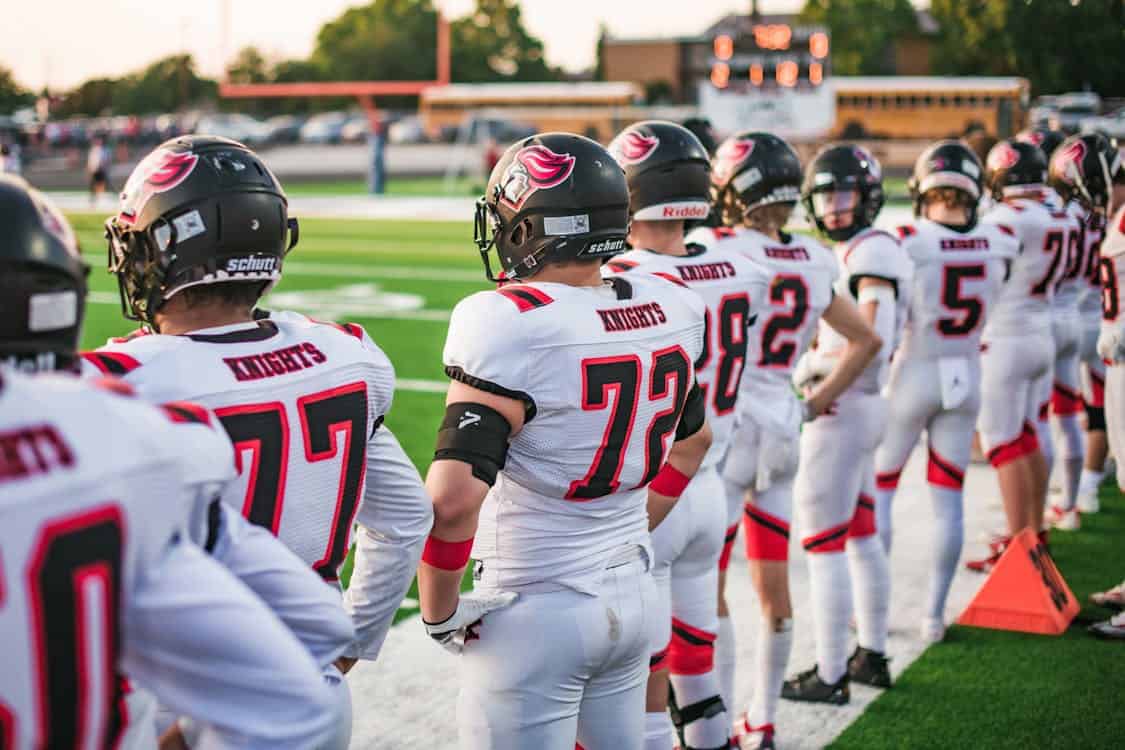
An effective football playbook acts as a shared language that reduces uncertainty and helps players make fast decisions when the clock is moving and the crowd noise rises. It must be compact enough for quick recall and rich enough to offer variety so the team can change pace or attack different weak spots.
Coaches who balance clarity with layered options give players permission to react on instinct while staying inside the plan. When learning is slick and repetition lines up with real game cues, the team moves from fumbling through pages to executing with quiet confidence.
Clarity Of Core Concepts
A strong playbook begins with plain labels and repeatable core concepts so that every player can call up a mental image at the line and know what to do without hesitation. Use a tight vocabulary and repeat patterns like run, runs, running or pass, passes, passing in diagrams and film notes so that the brain links the term to motion and outcome faster.
Show a concept in slow motion and then at game speed so the same idea sticks whether a player studies on a tablet or stands ready under stadium lights. Clear naming cuts down mental fog and lets a team move together instead of each member improvising independently.
Playbook Organization And Navigation
Good layout saves seconds that often decide fourth quarter drives, so index pages, visual tabs and consistent headers that mirror on field calls are worth the extra work in production. Group plays by down and distance, personnel group and tempo so a coach can flip to a short yardage page and find a half dozen workable calls, not just one hero play buried among others.
A clean digital search that matches paper shorthand gives players multiple paths to the same answer and lets quiet rehearsal turn into fast reaction at the line. Strong organization reduces clutter and raises the odds that the right play will be in the players head when the whistle blows.
Adaptability To Personnel And Opponents
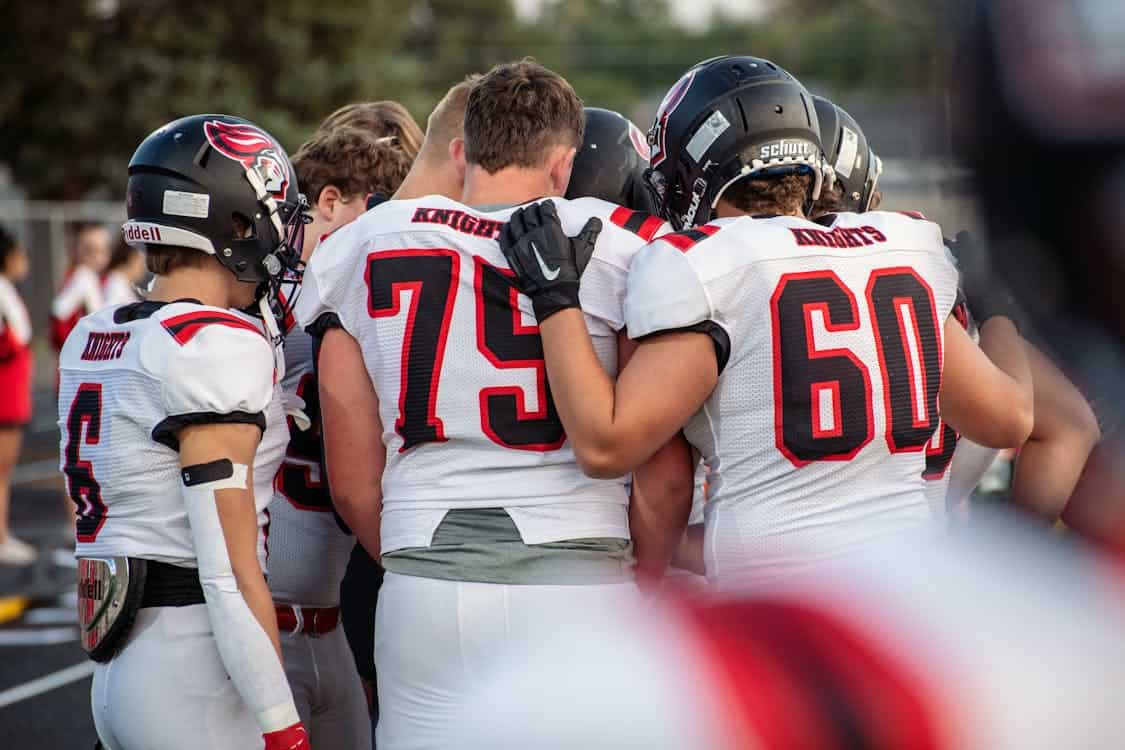
A playbook must match the roster and the opponent so every call is feasible and exploitable rather than aspirational fantasy that collapses under pressure. Offer base packages that align with who is on the field and then show a few simple adjustments for common fronts and coverages so the staff can string together sequences that feel natural.
Provide rules for rotation and substitution that make changeups predictable and cheap to run, letting players swap roles without losing tempo or timing. The goal is a fit between scheme and skill where each play looks like something the roster executes in its sleep rather than a highlight reel idea that requires a perfect athlete to work.
Balance Between Simplicity And Depth
Simplicity helps players learn quickly while depth gives a staff tools to stay unpredictable across a season, and the trick is to hold both without tipping the scales one way or the other. Coaches looking to create a dynamic offense may want to consider elements of Sean McVay’s Offense, which is known for its versatility and ability to keep defenses guessing.
Start with a small set of base plays that everyone masters and then layer optional wrinkles that expand strategic choices in controlled ways, labeling each option so calls do not turn into a guessing game.
Keep the core tight enough that new players can pick it up fast yet flexible enough that game planning can vary sequences and look new without rewriting the entire book. That balance keeps the offense or defense from becoming stale while avoiding the pitfall of overloading minds with fifty different answers to the same situation.
Practice Integration And Repetition
How a playbook lives in practice decides whether plays become muscle memory or just annotated sheets sitting on a shelf, so reps should match the language coaches use in meetings. Drill reads, reaction windows and footwork with a mix of live reps, walkthroughs and mental reps that keep timing and vision sharp and make the cue words feel like second nature.
Tie film study terms directly to on field drills so a player hears a phrase on tape and knows the exact body shape and step to make in practice immediately afterwards. Small wins across practice blocks build confidence, and as sequences are stretched they begin to feel like old friends in the heat of a contest.
Communication And Teaching Tools
The simplest call can fail if players do not share a common mental picture, so pair succinct call signs with visible signals and a short glossary that breaks down each term into action items. Coaches who narrate film with brief, repeatable phrases and who use the same words in meetings, on the sideline and during practice create a single voice that players trust and follow.
Provide quick clips, whiteboard sketches and a bank of one minute film snaps that illustrate exactly what a successful execution looks like so a player can watch, mimic and then perform. When a team speaks the same language, adjustments happen faster and audibles become confident choices rather than frantic guesses.
Analytics And Feedback Loops
Numbers help when they point to simple, actionable questions like which plays convert on third down and which formations invite pressure, and the aim should be the few metrics that map to behavior. Pair those metrics with short film clips so players see concrete examples tied to the data, and run light, frequent reviews that highlight trends without drowning the roster in charts.
Use player feedback to refine the playbook language, asking which terms clarify decisions and which cause hesitation, then fold those edits into the next practice cycle. Small feedback loops keep the plan honest and evolving, turning performance data into coaching moves that can be taught and rehearsed within the week.
