


Neglecting regular care for an aircon unit can quietly turn a useful appliance into a costly problem that creeps up on a household over weeks and months. Dust, lint and residue collect in filters and on coils while belts and bearings slowly lose smoothness until the system begins to struggle with tasks it once handled with ease.
Homeowners who know where shortcuts hurt step in early and protect their comfort while avoiding repair bills that swell alarmingly fast.
How Dirt Chokes Performance
Air filters and evaporator coils collect dust, grease and tiny particles over time and that layer acts like a blanket which blocks airflow and reduces the unit’s ability to transfer heat effectively. When air cannot move freely through the system the compressor and fan must run longer cycles to reach set temperatures and the repeated strain shortens component life in ways that are hard to spot until failure occurs.
Fans end up spinning against higher resistance motors run hotter and bearings lose lubrication faster so what began as a small clog becomes mechanical stress that multiplies quietly. If filters and coils are cleaned at intervals the system keeps its design flow and efficiency and routine care prevents the slow choking that leads to sudden and unwelcome breakdowns.
For reliable maintenance, air conditioner cleaning on the Gold Coast ensures your system stays clean and functional.
Compressor Failure Is Expensive
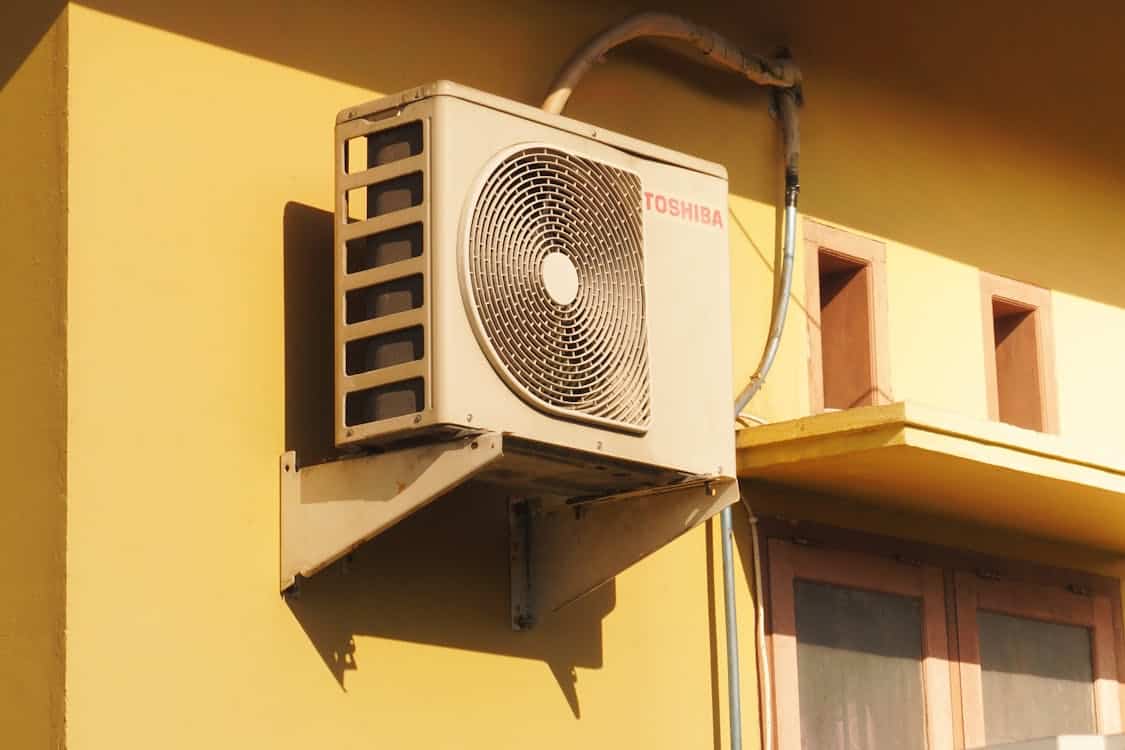
The compressor functions as the engine for refrigerant flow and it bears the brunt when anything else in the circuit goes off balance or becomes contaminated. Lack of oil or the presence of dirt in the refrigerant stream increases friction and heat inside the compressor leading to worn windings, damaged seals and scored pistons in certain designs.
Replacing a compressor can cost a large share of a whole replacement system and the labor to remove and reinstall heavy sealed units quickly escalates the final bill. A failed compressor also knocks the rest of the system out of tune and that leads to pressure cycles and thermal swings that bring other parts to their knees in short order.
Refrigerant Leaks Spread Damage
Low refrigerant levels cut cooling power and drive the cycle to run longer which raises temperatures in the compressor and stresses the motor electrical devices and seals. Leaks begin at weak joints or corroded lines and can go unnoticed because the initial drop in performance feels like a temporary problem rather than a slow loss of vital fluid.
As the refrigerant escapes oil and additives that lubricate moving parts go with it and the resulting dry running accelerates wear and internal scoring that are expensive to repair. Catching leaks early with pressure tests and simple repairs saves time parts and the kind of cascading failure that forces a full system teardown and replacement of multiple components.
Electrical Risks And Fire Hazard
Loose terminals corroded wires and worn insulation create pockets of heat at connection points and those hot spots can erode contacts and melt nearby plastic over time. An overworked motor draws higher current and, when combined with marginal wiring, can trip breakers intermittently or cause fuses to blow which masks the root cause and encourages temporary fixes.
Arcing and shorts remain a lingering risk where dust and conductive deposits bridge small gaps so a quiet humming or a faint burning smell should never be ignored. Scheduled checks that tighten connections test insulation and confirm safe current draw reduce the chance of an electrical fault that could lead to a fire or a costly emergency repair call.
Reduced Efficiency Means Higher Bills
When an aircon unit runs inefficiently the kilowatt hours it consumes go up even if your thermostat setting does not change and bills creep higher with each billing cycle. Small losses in efficiency compound over months because the system runs longer to make up for lost transfer capacity and those extra run hours accelerate wear on fan motors compressors and control boards.
Even a ten percent drop in efficiency can add a noticeable sum to annual energy expense and that extra money is often enough to pay for professional service several times over. Keeping coils clean replacing filters and making small adjustments keeps energy use lower and gives the unit a smoother life path so you get more service from each component.
Mold Buildup Harms Health And Parts
Moist surfaces in drain pans ducts and on cold coils create the ideal environment for mold algae and bacterial films to grow and that growth reduces air quality within a home. Spores can spread through ventilation and aggravate allergies asthma and other respiratory problems in sensitive occupants and the outcome can be costly visits to clinicians or medicines that become part of the monthly routine.
Beyond health effects biological growth can degrade foam gaskets adhesives and some soft metals so left unchecked the unit declines faster than expected and repairs become more involved. A simple program of drainage checks coil washing and occasional antimicrobial treatment keeps both the air safer and the machine in better repair than neglect ever would.
Small Problems Grow Into Big Repairs
A loose screw a crushed fin or a tiny clog in a line may look trivial at first yet each such item changes how forces and flows act inside the unit and slowly reroutes stress to other elements. What starts as a small nick in a fan blade can induce vibration that loosens bearings that then wobble and tear seals until multiple components fail in quick succession.
Technicians called to fix a big failure often find evidence of ignored warnings such as odd noises or subtle drops in performance that a short visit months earlier would have fixed. Spending a little time on routine service prevents the need for emergency jobs that are costly in labor parts and discomfort and keeps the system running years beyond the point where neglect would have sent it to the scrap heap.
