

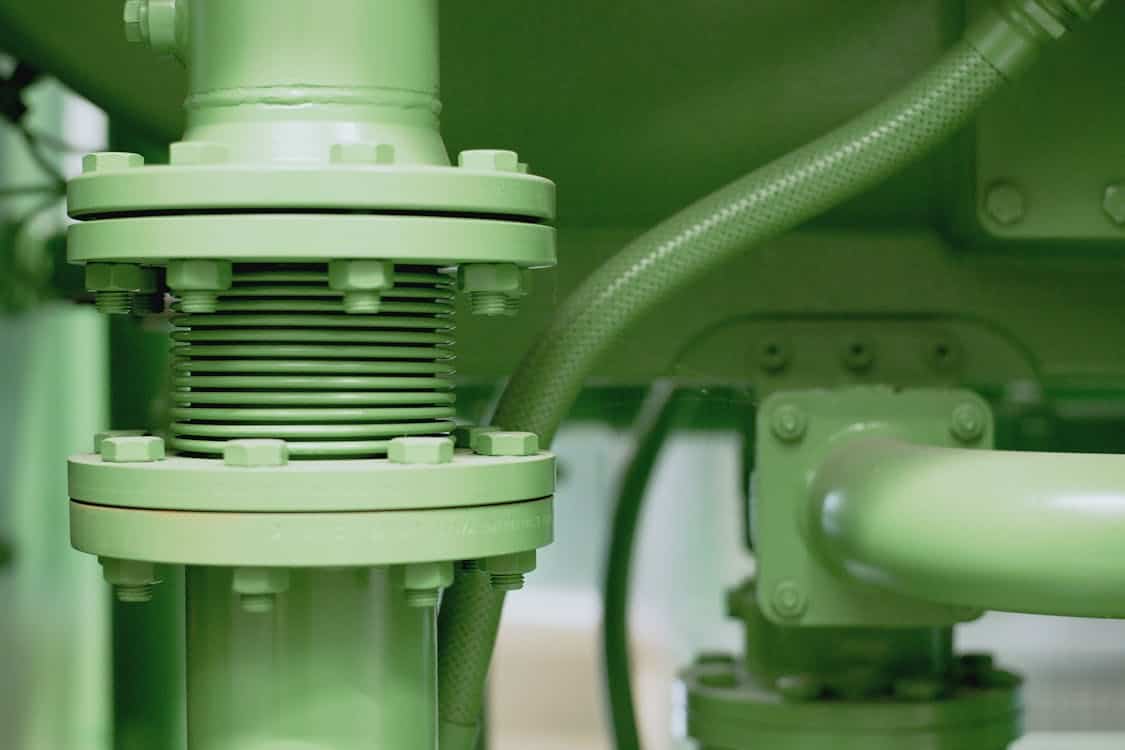
Pipes and fittings form the silent backbone of many systems from household plumbing to industrial networks. Choosing the right material shapes how a system functions over years with respect to strength corrosion resistance and ease of repair.
Some options are time tested while others bring cost savings or simplicity at the point of install. The paragraphs that follow break down common choices and what each brings to the table without getting lost in technical speak.
Copper
Copper has been a trusted pick for water lines and refrigerant loops for many decades. It offers natural resistance to corrosion and conducts heat well which makes it suited for hot water delivery and heating circuits.
Installers often join copper with solder or with compression fittings and in tight spots the metal bends without losing form. Cost sits above many plastics but the material often pays back through longevity and low maintenance.
Polyvinyl Chloride
Polyvinyl chloride known by the letters PVC is a hard plastic that many people associate with drain and cold water systems. It is light weight and easy to cut and join using solvent cement which creates a chemical bond rather than a mechanical clamp.
Because PVC does not tolerate high heat well it sees limited use where water temperatures climb. The low cost and wide availability make it a go to for many residential drainage and irrigation layouts.
Chlorinated Polyvinyl Chloride
Chlorinated polyvinyl chloride or CPVC shares a family tree with PVC but handles higher temperatures with greater ease. That quality opens the door to hot water service in homes and some commercial settings where regular PVC would soften.
Joining methods mirror those for PVC though temperature ratings and code permissions differ so pay attention during selection. CPVC carries a modest premium over PVC yet gives a practical route to handling heat without moving to metal.
Brass
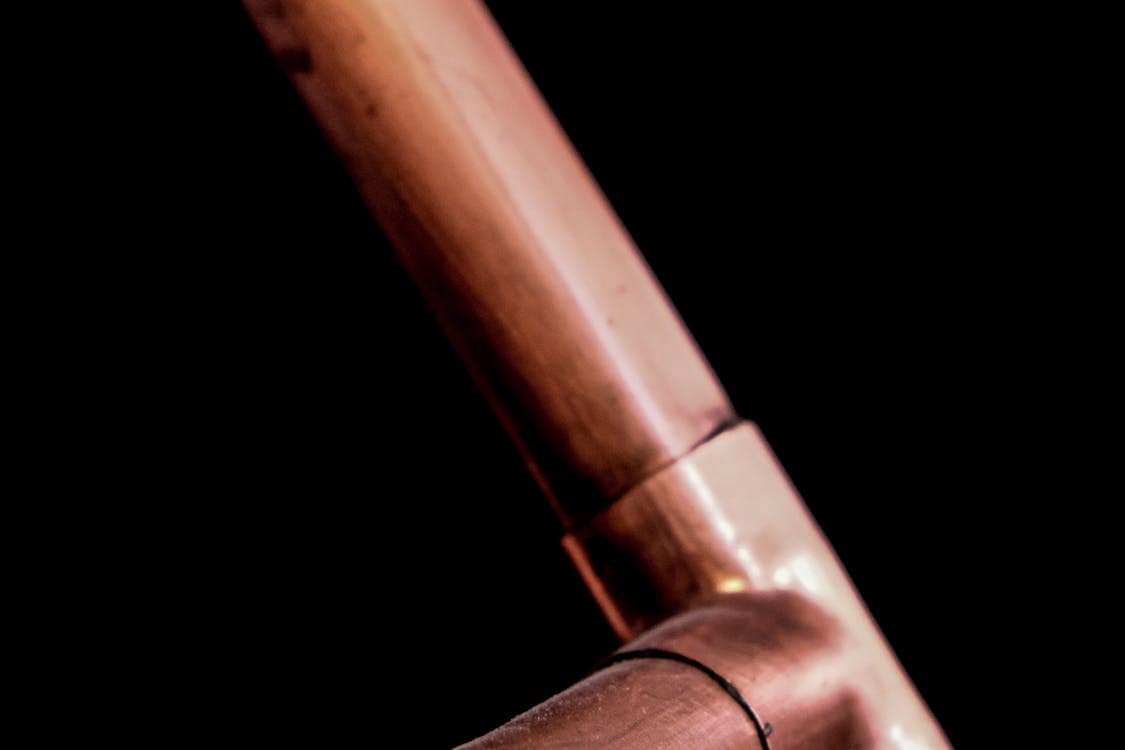
Brass brings the strength of metal with a bit more machinability which is why it shows up in valves connectors and threaded fittings. The alloy resists corrosion in many water chemistries and its surface does not flake like some other metals can.
Plumbers like brass for parts that need to be disassembled from time to time because threads hold up well and seals work reliably. Its price point sits between copper and stainless steel and it gives a nice balance of toughness and ease of use.
Cross Linked Polyethylene
Cross linked polyethylene known as PEX has become a favorite in modern residential plumbing because it is flexible and quick to install. The tubing bends around corners which reduces the number of connections and the fittings often use simple crimp or push to connect systems.
PEX resists scale and corrosion so water quality issues that attack metal are less of a worry for many homes. Installers value its speed and repairability while homeowners enjoy quiet flow and fewer leaks.
Stainless Steel
Stainless steel offers high strength and a clean surface that resists corrosive attack in aggressive environments from coastal salt spray to certain chemicals. It appears in food service and pharmaceutical piping where cleanliness and durability are non negotiable.
In larger industrial layouts, properly selected Steel Pipe Fittings ensure that transitions, elbows and tees match the strength and corrosion resistance of the stainless runs.
Joining stainless can be done by welding or by threaded and flanged fittings when disassembly is required. The metal commands a higher price but yields long life and low risk of contamination or rust.
Carbon Steel
Carbon steel works well where high pressure and mechanical toughness matter such as in steam lines or industrial compressed air systems. It can handle abrasion and physical impact better than many plastics and when painted or coated it stands up to exterior use.
Welded joints are common and when treated the material will resist general corrosion for many years. The weight and need for corrosion control add steps to install and maintain but the strength payoff is often worth it.
Cast Iron
Cast iron remains familiar in older buildings and heavy duty drainage because of its sound dampening and longevity under compressive loads. Pipes and fittings made from cast iron are quiet when water moves through them and they take a real beating from heavy roofs or urban traffic above.
Repair usually involves cutting and replacing sections and the material works best where a rigid permanent solution is called for. While replacements are bulkier and heavier than fiberglass or plastics the old timers still praise cast iron for doing a solid job.
High Density Polyethylene
High density polyethylene known as HDPE is strong and flexible making it a good candidate for long runs in trench work and for service lines that must endure shifting ground. The material joins by heat fusion which creates seals that act more like one continuous piece of pipe than a string of connections.
Because HDPE resists most chemicals and handles cold better than some plastics it finds use in gas and potable water distribution in many regions. Installation crews like that it is light to carry and forgiving when ground moves a little after backfill.
Polypropylene
Polypropylene is a plastic that appears for chemical process lines and for reclaimed water systems because of its chemical inertness and low cost. It tolerates a range of acids and bases that can eat away at other materials so it is a sensible pick where aggressive fluids travel.
The fittings can be socket welded or joined with specialty mechanical connectors that speed assembly. While not as heat tolerant as metal the material brings good life when substances are its match.
Each of these materials has a role shaped by the fluid being moved the expected pressure and temperature the allowance for maintenance and the budget at hand. Choosing the right one often comes down to balancing short term spend against long term performance and the reality of how the system will be used.
An installer will think about joining methods access for future repair and local code rules while an owner will weigh replacement cycles and operating cost. In practice the best pick tends to be the option that covers safety code meets service needs and keeps the bookkeeping simple enough to sleep well at night.
