

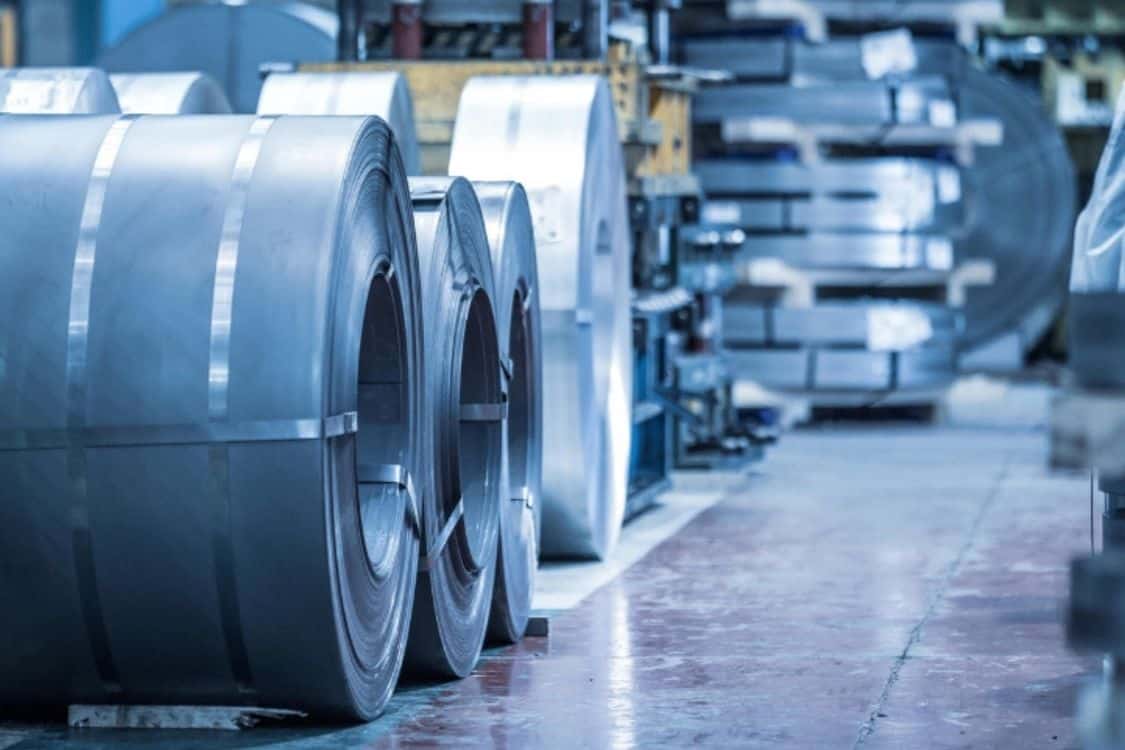
The story everyone expected to drive American industrial steel demand was a factory reshoring boom. The story that actually showed up was data centers.
That shift matters for the unglamorous end of the steel market, the general-purpose structural plate that goes into base plates, equipment supports, skids, platforms, and the low-pressure tanks and enclosures that fill out an industrial site. When construction activity rotates from one sector to another, the demand for that everyday plate follows it.
The construction boom moved, it did not disappear
Factory construction has cooled from its peak. The semiconductor-driven surge that dominated 2023 and 2024 has faded as fab spending came off its highs, and overall manufacturing construction has slipped from its record.
Data centers picked up the slack and then some. U.S. data center construction has grown to roughly $47 billion annualized as of early 2026, according to IoT Analytics, up from under $10 billion just six years earlier. That is close to a fivefold increase, with year-over-year growth holding above 30 percent for four straight years.
Behind that number is an obvious driver. Hyperscale operators poured record sums into AI infrastructure, and each new campus is a sprawling civil and structural project before any servers arrive.
Power infrastructure is shaping up to be the next leg. Grid constraints are forcing a wave of utility spending, which adds substations, switchyards, and generation equipment to the list of things that need fabricated steel.
Where everyday structural plate fits into all of this
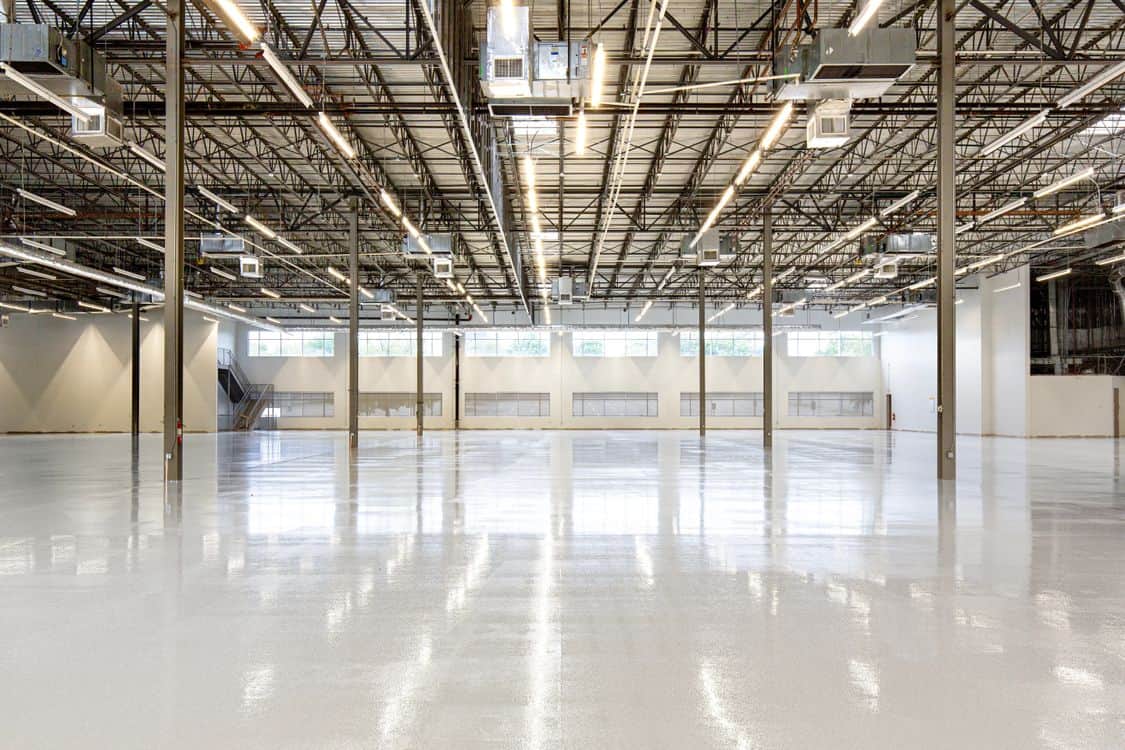
A data center or a substation is not built from exotic alloys. It is built mostly from ordinary, dependable carbon steel, sized and detailed for strength rather than for pressure or extreme temperature.
That is the role general-purpose plate plays. It anchors columns, carries equipment, stiffens enclosures, and forms the bottoms and walls of low-pressure tanks. It does not need to be remarkable. It needs to be consistent, weldable, and available in volume.
A specification like ASTM A283 exists precisely for this kind of low-to-intermediate strength structural duty, covering carbon steel plate of moderate yield used where toughness and pressure ratings are not the governing concern. It is the kind of grade a fabricator orders by the truckload rather than by the certified heat.
That ubiquity is exactly why a construction rotation shows up in plate demand so directly. When billions of dollars of work moves from one kind of site to another, the workhorse grades move with it.
The fabricators serving data center and power projects are not chasing premium metallurgy. They are chasing reliable supply of plain structural plate at a predictable price, delivered on a schedule that keeps a fast-moving construction site fed.
What the rotation means for steel buyers
For anyone supplying or buying structural plate, the lesson is to watch where the construction dollars are landing rather than fixating on headline narratives about manufacturing.
The reshoring boom that filled press releases has been more modest in the data than the announcements suggested. The data center and power buildout, by contrast, is showing up clearly in the construction spending figures.
That has practical implications. Demand for general-purpose plate is concentrating around the regions and contractors winning data center and grid work, which changes where material needs to be staged and how far ahead orders should be placed.
It also rewards suppliers who can move volume. The premium in this segment is not metallurgical sophistication. It is availability, consistency, and the ability to deliver standard plate fast enough to keep a 30-percent-growth construction sector on schedule.
The AI buildout will keep reshaping where steel gets consumed for years. The plate underneath it all is about as ordinary as steel gets, and that ordinariness is the reason demand for it follows the cranes wherever they go next.
