

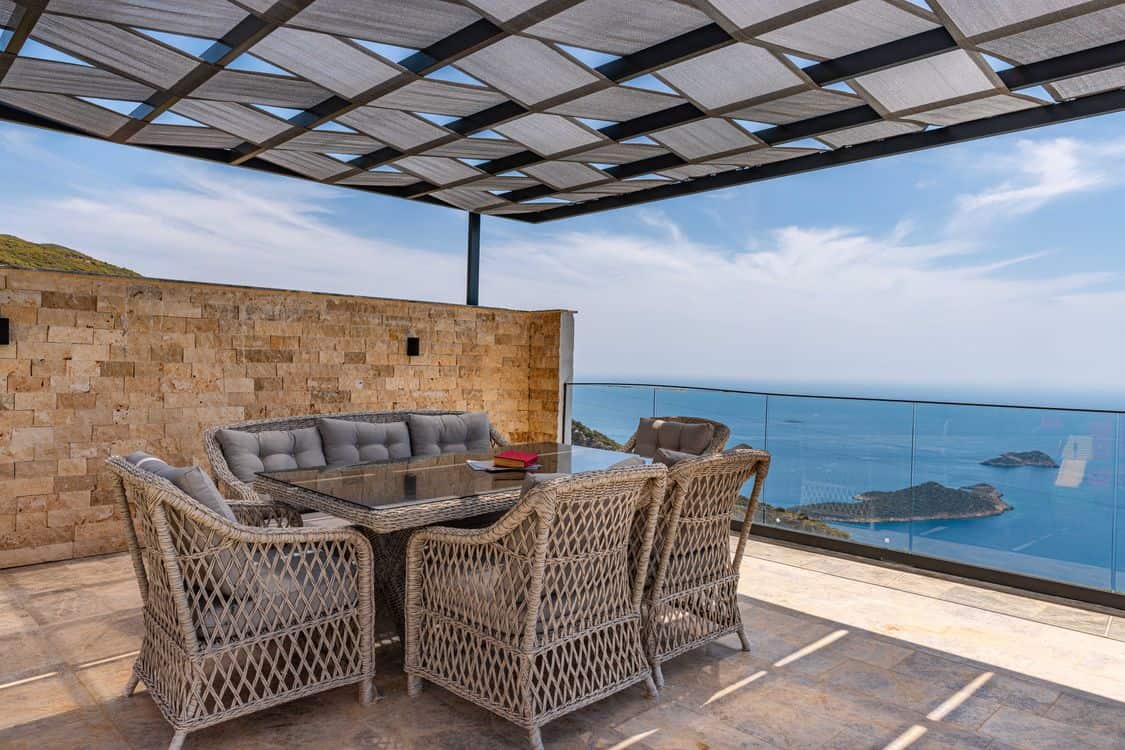
Drive from La Jolla to Rancho Bernardo and the driveways start telling a different story about twenty minutes in. Near the coast, porcelain and dense concrete dominate. Further inland, natural stone and warmer-toned pavers show up more often. That split isn’t about taste. It’s about what actually survives the air.
Why Coastal Air Is a Harsher Test Than It Looks
Salt spray from breaking surf doesn’t stay at the waterline. It travels inland on wind, settling on any exposed surface it reaches, and building material specifiers have documented for years just how much that exposure varies by region and rainfall pattern.
According to Steelscape’s Michelle Vondran, a technical manager who studies material performance in coastal environments, the Southern California coast combines strong breaking surf with less than 12 inches of rain per year, a combination she describes as more severe than wetter coastal regions like Puget Sound. Rain acts as a natural rinsing agent that washes salt off exposed surfaces. Without much of it, salt has more time to sit, accumulate, and do its slow damage.
That principle was documented originally for metal roofing and cladding, but the underlying mechanism, salt accumulation accelerated by low rainfall, applies to any exposed exterior material, hardscape included. A paver or stone surface a few blocks from the water deals with more sustained salt exposure over a dry San Diego year than the same material would face in a rainier coastal climate.
Why That Pushes Coastal Homeowners Toward Denser Materials
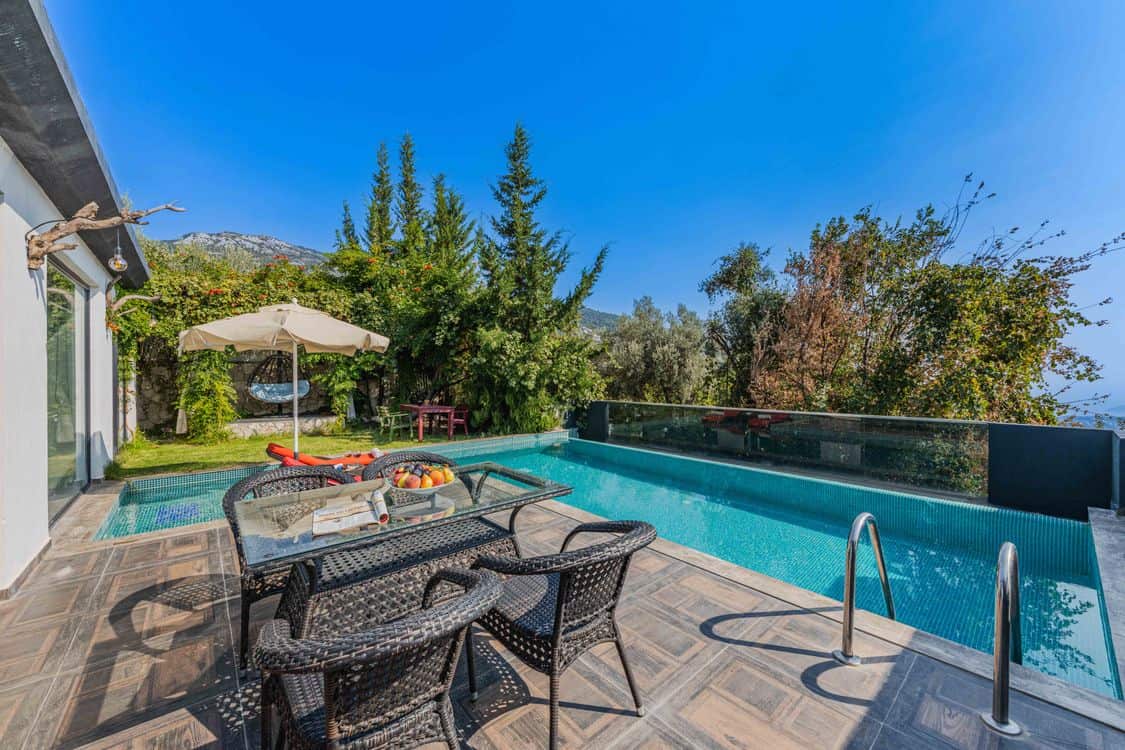
Porcelain pavers have become the default recommendation for properties within a few miles of the coast largely because of how little they absorb. Dense, kiln-fired porcelain has extremely low water absorption, which limits how much salt-laden moisture can penetrate the surface and cause the freeze-thaw-style micro-damage that softer, more porous stone can experience over years of repeated wetting and drying.
Sealed concrete pavers perform reasonably well by the same logic, provided the sealant is maintained on a regular schedule. Natural materials with higher porosity, certain sandstones and some limestones in particular, tend to show wear faster in these conditions unless they’re sealed more aggressively and more often than an inland installation would require.
Inland properties don’t face the same constraint, which is part of why flagstone, travertine, and other more porous natural stone options remain popular in neighborhoods further from the coast. Without the salt load, the durability gap between porous and dense materials narrows considerably, and homeowners inland are freer to choose based on appearance and budget rather than long-term material performance under salt exposure.
What This Means for Choosing a Paver Material
None of this means coastal homeowners are locked into porcelain, or that inland homeowners can ignore maintenance entirely. Sealing schedules, installation quality, and base preparation still matter everywhere in San Diego County, and a well-sealed natural stone patio near the coast can perform acceptably with more frequent upkeep.
But the pattern holds up consistently enough that it’s become a rule of thumb among installers working across the county: the closer the project sits to the water, the more the material recommendation shifts toward density and low absorption over porosity and natural texture. It’s less a design trend than a response to a specific, measurable difference in what the air is doing to a surface every single day.
