

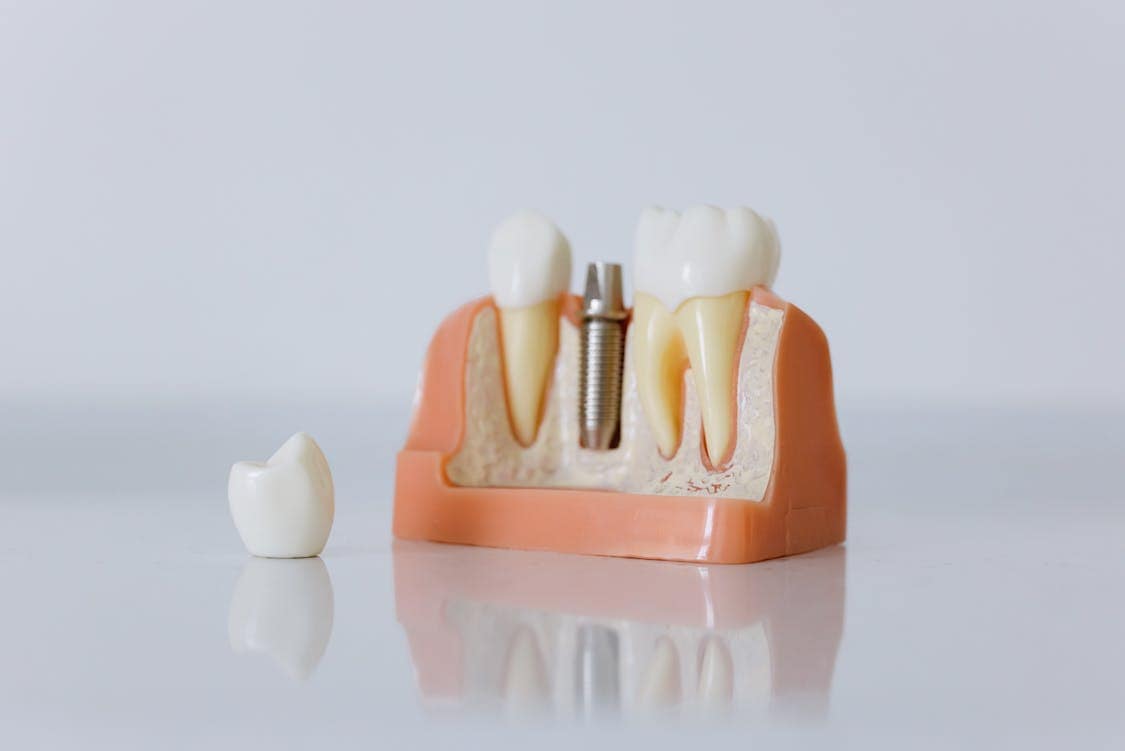
Dental implants offer a reliable method to replace missing teeth while restoring chewing ability and an attractive smile. Recent advances in implant geometry, imaging, and surgical planning have made outcomes more predictable and less intimidating for many patients.
The following sections explain common implant types, the course of treatment, likely recovery steps, and practical points to help patients ask sharp questions at appointments.
What Are Dental Implants
A dental implant is a small titanium post placed into the jaw bone to serve as an artificial tooth root and anchor a crown or bridge. The device integrates with bone through osseointegration, which creates a stable base for chewing and speaking tasks.
That stability helps prevent bone loss that often follows a missing tooth and supports facial contours over the years. Many patients report that once healed the implant feels very close to a natural tooth in use and look.
How Implants Work
Initial care begins with clinical assessment and high quality imaging to map bone volume and important anatomy such as nerves and sinuses. During surgery the implant is positioned precisely in the prepared site and left to fuse with bone under protected conditions.
Once integration is secure an abutment attaches to the post and a custom crown or bridge completes the visible tooth replacement. Thoughtful planning and a snug fit make the dental system durable and simple to maintain for daily home care.
Types Of Implant Restorations
Single crowns are placed on a sole implant to replace one lost tooth and restore chewing and appearance in a focused area. Fixed bridges span multiple missing teeth and rely on two or more implants to carry the load without touching neighboring healthy teeth.
Full arch restorations rebuild an entire row of teeth and are often supported by a handful of strategically placed implants to deliver stability and confidence. Removable implant supported prostheses clip or snap on for higher retention while still allowing the wearer to remove them for cleaning.
The Implant Procedure Step By Step
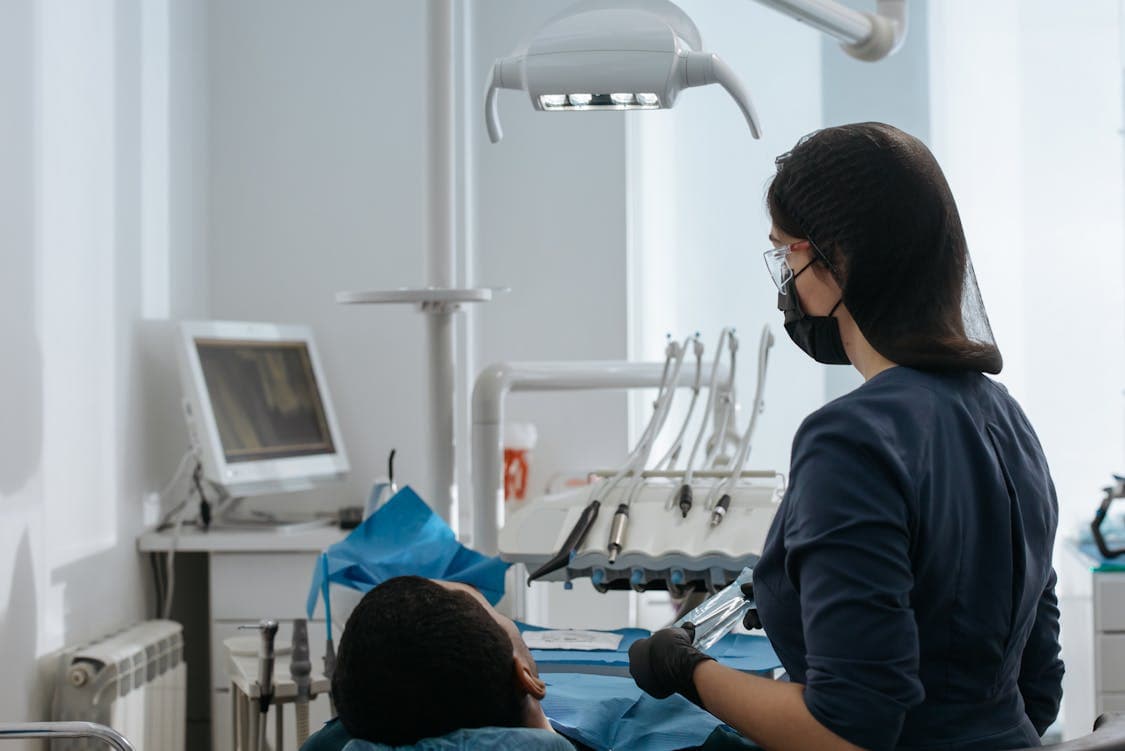
The pathway typically begins with a consultation that reviews medical history, dental records, and imaging to create a personalized plan. Surgery can be a single visit or staged and may include bone grafting when the ridge needs reinforcement before placement.
After a healing interval the restorative phase uses impressions or digital scans to craft the crown, bridge, or full arch teeth and then fit them for comfort and function. Follow up appointments confirm fit and let the clinician fine tune bite and polishing so the restoration feels right.
Who Is A Candidate
Adults who have lost one or more teeth and who present with healthy gums and adequate bone volume are often suitable candidates for implants. Certain long term medical conditions or heavy tobacco use can increase risk and require careful evaluation and management with the surgical team.
Chronological age alone rarely excludes a person and many older adults enjoy excellent results when general health supports healing. Clear communication about expectations and a full medical review help determine whether implants match a patient s needs.
Materials And Technology
Titanium alloys remain the standard material for most implants because of their strength and predictable bond with bone. Zirconia and other ceramic options exist for patients seeking metal free alternatives and they have improved significantly in strength and surface features.
Three dimensional imaging and virtual planning tools allow precise location of implants and reduce the chance of surprises during surgery.
These technologies are commonly integrated into care at Fixed Dental Care in Kyle, TX to improve accuracy and outcomes. Computer guided placement and laboratory milling often yield restorations that fit more accurately and look natural at delivery.
Bone Grafting And Site Preparation
When the jaw does not have sufficient volume surgeons can graft bone or use substitutes that encourage new bone formation around an implant site. Options range from small particulate grafts taken from the patient to block grafts and synthetic materials that support growth over time.
Healing periods vary and clinicians present staged approaches that shorten or lengthen the timeline depending on patient needs and biological response. Good planning balances immediate goals with long term strength so future maintenance is simpler rather than more complicated.
Recovery And Care After Implant Surgery
After surgery most patients manage with rest, short courses of medication when prescribed, and careful cleaning around the incision to prevent infection. Mild swelling and temporary discomfort are common and over the counter pain relievers often keep symptoms tolerable while tissues heal.
Gentle brushing and flossing around the site and any provisional restorations supports integration and reduces bacterial buildup that can threaten success. Routine maintenance visits let the team check condition and provide tailored advice based on the patient s habits and oral environment.
Long Term Success And Risks
Well placed and well cared for implants often provide many years of reliable service and improved oral function compared to removable options. Peri implant conditions and mechanical wear on components are known risks that require prompt attention to prevent larger failures.
Daily hygiene, periodic professional cleaning, and sensible lifestyle choices greatly influence how long an implant lasts for a given individual. Spotting warning signs such as persistent pain, loosening parts, or shifts in how the bite feels allows early intervention and better outcomes.
Cost Factors And Financing Options
The final price depends on the number of implants, the materials selected for the prosthetic teeth, the need for grafting, and laboratory fees for custom work. Insurance plans vary in how much of the restorative and surgical charges they cover and patients are wise to request written estimates for each item.
Many clinics provide flexible payment plans or partner with third party lenders to spread the cost over months or years when a lump sum is not feasible. Obtaining an itemized estimate and asking targeted questions about what is included helps avoid surprise bills and clarifies value.
Choosing A Dental Professional
Seek clinicians who routinely place and restore implants and who can show real case examples and patient feedback that reflect their results. Training in both surgical technique and prosthetic restoration matters when complex cases require careful coordination among specialists.
Open dialogue about timelines, likely outcomes, and responsibilities for hygiene and follow up fosters trust and a smoother experience. When recommendations differ between providers getting a second view can be a sensible step before committing to treatment.
Emerging Trends And Research
Ongoing studies refine implant surfaces, coatings, and shapes that speed healing and reduce bacterial attachment at the critical interface between metal and bone. Digital workflows that combine scanning, planning, and in house fabrication are shortening production times and producing more consistent results from exam to final tooth.
Biologic strategies aim to enhance bone regeneration and cut down on the need for major grafting steps in some cases. Patients who weigh new methods against evidence and personal comfort find they can adopt fresh options while keeping predictable care at the center of their plan.
