


Everyday life can involve a constant stream of wireless exchanges that happen without a single nod from you. A small shield for your cards and phone can stop unwanted reads and make travel or shopping less tense.
Selecting the right RFID blocking device asks for a balance of practical choices and a touch of tech sense. Think of the process like sorting tools in a toolbox where the right fit saves time and annoyance.
What Is RFID And Why It Matters
Radio frequency identification is a method that lets tiny chips share data with nearby readers with no physical contact, and that makes it elegant while also opening a door for misuse. Some credit cards and transit passes hold information that can be skimmed if left unprotected, which creates exposure to fraud and identity hassle.
Understanding the basic mechanics helps you judge how much shielding you want, since not every chip speaks on the same channel or at the same power. A simple bit of protection can turn a muggy risk into a nonissue for daily outings.
Types Of RFID Blocking Devices
There are sleeves that slip over a single card, folio style wallets that hold a handful of items, and inserts that slot into an existing bag or case for peace of mind on longer trips. Some makers offer hard shells that look like small plates while others use layered fabric that feels like ordinary cloth yet cuts off radio waves.
The choice often boils down to how you carry things, whether you like minimal bulk or prefer a mehr compartment approach for organization. Aesthetic and tactile appeal matter too, since you will touch and see the item each day.
Material And Construction
Shielding works by stopping or scattering the radio signal and that is achieved with conductive metal films, woven metallic threads, or thin aluminum layers that are sandwiched between fabric. Stitching quality and edge finishing influence longevity because loose seams let layers shift and weaken the protective barrier over time.
Some vendors use laminated constructions that resist moisture and abrasion, while others lean on simple folded metal sheets wrapped in leather like coverings. Test a sample by moving cards inside and out a few times to feel whether the build holds up to everyday wear.
Size And Portability
Bulk adds friction to everyday life, so a device that fits your pocket or phone case without making you change how you dress will see more use than something cumbersome. Ultra slim options may protect a card but leave wristlets and larger passes exposed, which means pick the size that maps to your real routine rather than an idealized list.
Weight and thickness matter when stacking many items, and a tiny gain in slimness can mean the difference between a device you carry and one that ends up at the bottom of a drawer. Try carrying a candidate for a day to judge whether it blends into your normal flow.
Ease Of Use And Access
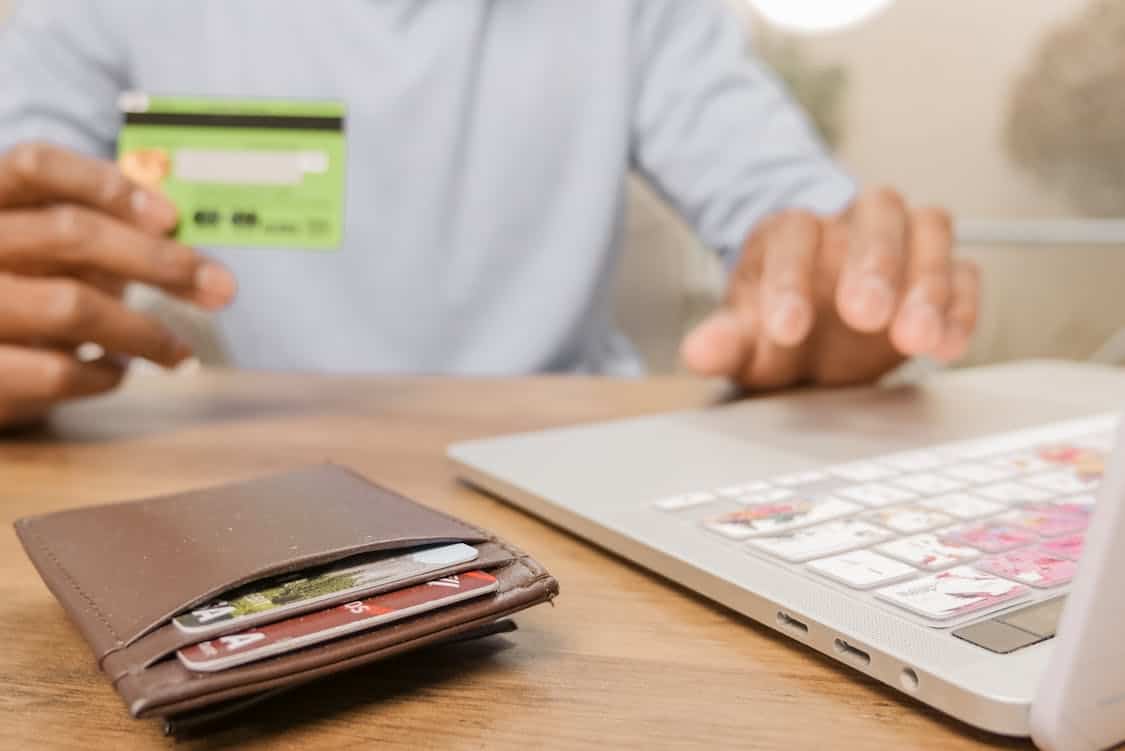
Security that makes life awkward rarely lasts, so weigh how quickly you can pay, tap, or lift an item while still keeping it shielded when not in use. Some blocking wallets have quick access windows or magnetic closures that speed things up, while others force multiple moves before you can reach a card which brings friction at checkout.
Think about common gestures you use when you leave the house and pick a design that plays well with those motions so you do not invent extra steps. Simplicity wins more often than bells and whistles when habit and convenience rule the roost.
Compatibility With Cards And Phones
Not every shield behaves the same across frequencies, and items that block low frequency tags may leave high frequency contactless payments free to talk to a reader, which raises the need to match technology to what you carry.
Modern phones may have NFC functions that rely on pairing and phone orientation, so adding a layer between device and reader can either block reads or complicate quick taps if the fit is off.
Pay attention to the card types and any tap to pay behavior you rely upon, and test the device in real situations like transit gates or unattended kiosks. For instance, Wallet Defender blocks RFID signals at 13.56 MHz frequency, giving confidence that common cards and passes remain protected while you carry them.
Testing And Certification
Manufacturers who back claims with third party testing give buyers a clearer signal about real world performance, since a sheet of metal might stop one frequency but pass another. Look for test reports that list shielding effectiveness across common bands such as 125 kHz and 13.56 MHz and that show attenuation numbers rather than vague marketing lines.
If a vendor lacks paperwork, you can run a simple at home trial with a known enabled card and a reader app or a transit gate to see whether reads are blocked. Transparency matters when trust is built on numbers rather than only photos and pretty copy.
Price And Warranty
Higher cost can buy better materials, refined assembly, and customer support, but it does not guarantee the best fit for your routine so weigh price against real features you will use daily. Warranties and return windows let you sleep easy for a few weeks while you decide whether the device earns its place in your rotation, and a seller that stands by their product signals confidence.
Cheap items might cover the basics short term, yet a thoughtful purchase can save you time and hassle down the road if it lasts and works consistently. Look at total value: what you hand over up front versus what you get back in convenience and protection.
