

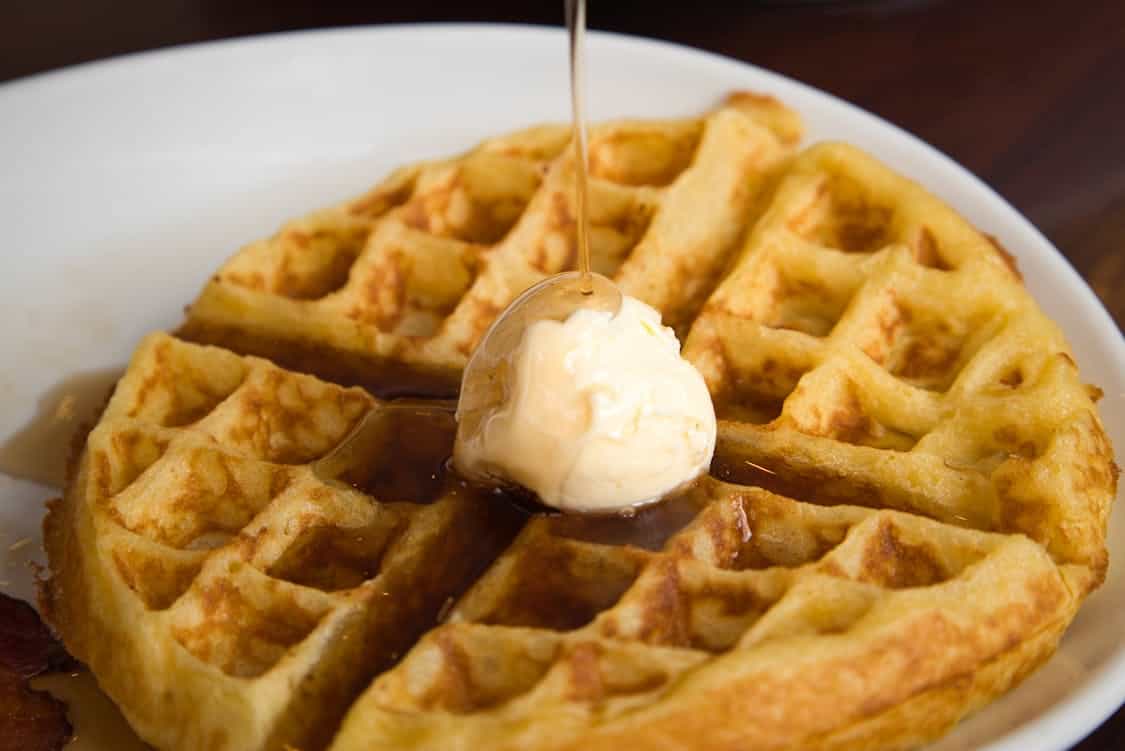
A busy kitchen runs on speed, consistency and equipment that can stand up to daily service. Commercial waffle makers have become a common sight in many kitchens because they meet practical needs while adding a bit of flair to the menu.
Chefs and managers often look for machines that deliver the same result every time so the guest experience does not wobble. The choices behind those purchases reflect both short term needs and longer term planning.
1. Durable Construction And Long Term Reliability
Restaurants select heavy duty waffle makers because they are built to last through back to back shifts. Metal bodies and solid heating elements tolerate the wear that comes with a steady stream of orders, and fewer breakdowns means less scrambling for backup plans.
A machine that keeps working week after week lets kitchen staff focus on other tasks rather than constantly babysitting equipment. When a unit is tough and steady it pays off in predictable service and fewer emergency fixes.
Maintenance is easier when parts are accessible and the design is straightforward. Simple controls reduce training time for new hires and cut the chance of user error during a busy rush.
Many models include removable plates so cleaning between uses is quick and sanitary, which is key for food safety. Clean running gear keeps the heat transfer even which preserves product quality over time.
2. High Throughput And Fast Service
A commercial waffle maker moves product at a pace that matches peak hour demand. Multiple orders can be layered into production with short cook cycles, and that rhythm helps a line hit its targets when the dining room fills up.
Faster cook times reduce wait lists and let staff turn tables more often, a practical way to increase revenues without growing the footprint. When an operation can keep pace rather than lag behind, the whole shift runs smoother.
Speed does not mean throwing quality out the window. Well engineered machines hold heat steady so each waffle gets the same golden finish even when units run continuously.
That kind of steady output gives servers confidence that what leaves the window will be ready on arrival. When things move quickly and predictably, front of house and back of house work in sync.
3. Consistent Quality And Portion Control
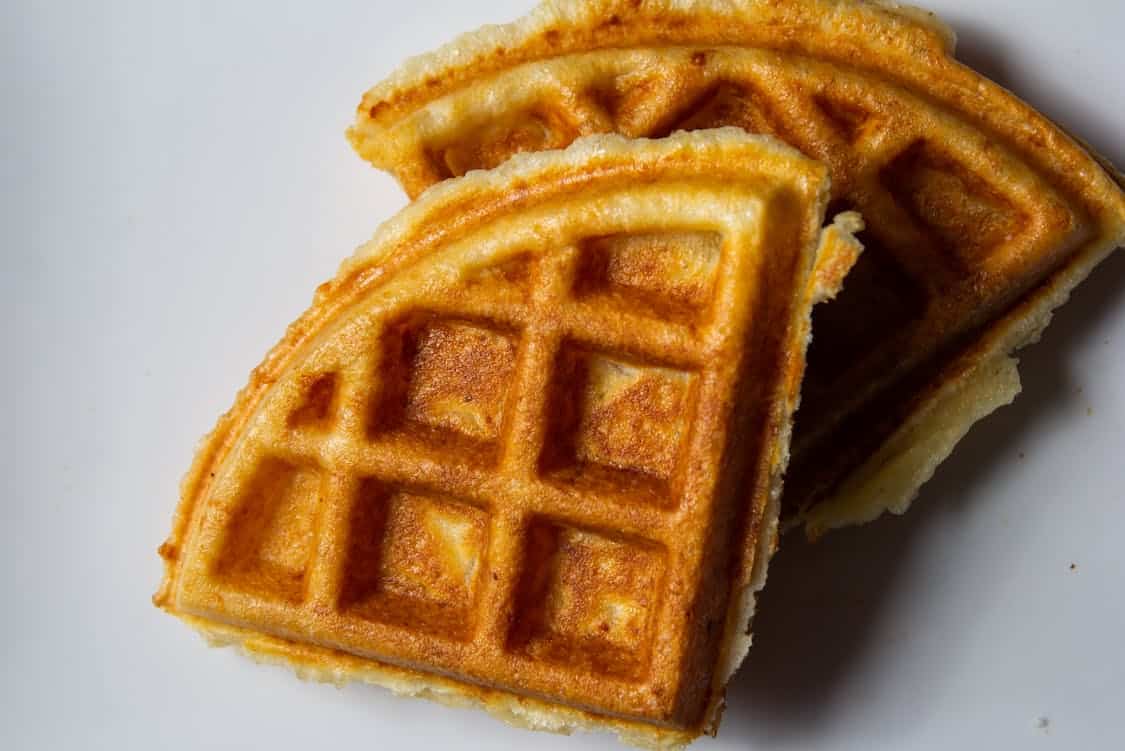
Consistency is a core aim for any restaurant that wants repeat customers. Commercial waffle makers produce uniform size and texture so a plate today looks like a plate tomorrow and guests know what to expect.
Built in timers and thermostats reduce guesswork, and that cuts waste by limiting overcooked product and uneven batches.
In hospitality settings where guests expect the same breakfast experience every morning, a hotel waffle maker helps maintain uniform results without slowing service. Portion control also helps with plating and cost tracking so the numbers on the spreadsheet match what comes out of the kitchen.
Repeatability affects speed and reputation at the same time. When kitchens can reproduce a signature waffle each time, staff can concentrate on service details that matter to guests.
The device itself becomes a reliable teammate on the line rather than a variable to be managed. Over time that kind of reliability translates into customer trust and smoother operations.
4. Menu Flexibility And Creative Offerings
A commercial waffle maker is not just for breakfast anymore; it lends itself to sweet and savory preparations that broaden the menu. Chefs can experiment with batter styles and toppings to craft dishes that appeal across meal periods and customer types.
The machine’s ability to produce a consistent canvas encourages playful plating and specials that keep regulars interested. That kind of versatility lets a small kitchen stretch its concept in new directions without adding a lot of extra gear.
Switching from one profile to another is easier when controls are simple and heat distribution is consistent. Staff can produce Belgian style waffles in the morning and savory versions for a late lunch service while using the same footprint on the line.
The result is more options for guests and smarter use of equipment during slow windows. Smart menu moves help the kitchen make the most of every square foot.
5. Cost Savings And Return On Investment
Upfront cost for a commercial unit is part of a longer financial picture that includes labor, waste and downtime. A dependable machine lowers labor pressure by reducing the need for constant oversight and for redoing plates that did not come out right.
Less waste and fewer service disruptions reduce hidden expenses and keep daily margins healthier. Over time the initial spend is absorbed by smoother service and fewer surprise repair bills.
Energy efficiency in modern designs also plays a role in operating budgets. Models that reach set points quickly and hold them require less energy over the course of a shift compared with older equipment that cycles wildly.
Reduced utility draw and predictable performance make it simpler to forecast costs and set price points that work for both business and guest. When the books add up, the waffle maker can feel like a smart purchase rather than an indulgence.
