

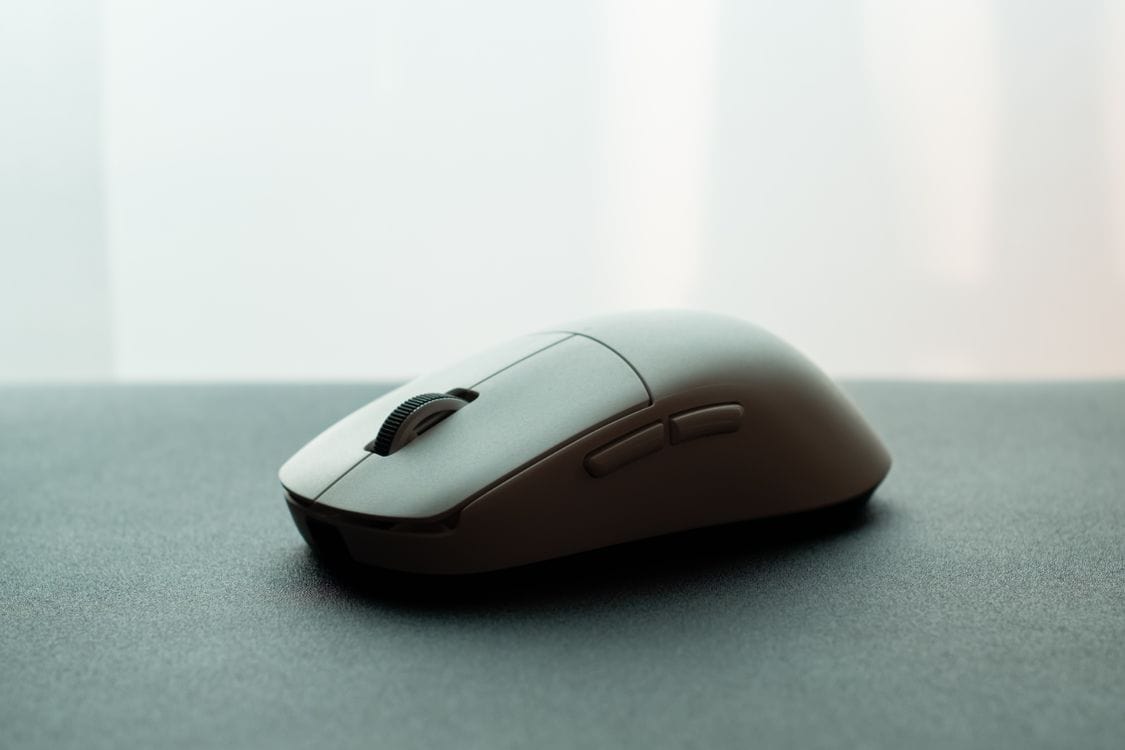
A competitive gaming mouse used to be a substantial object. The popular models of a decade ago weighed close to a hundred grams, carried a braided cable, and felt planted on the desk. The surface underneath them barely mattered, because the mouse supplied most of the feel on its own.
That era is over. The mouse on a serious player’s desk today is a fraction of the weight it once was, wireless, and so light it almost disappears in the hand. And in shedding all that mass, it quietly handed a much bigger job to the thing it slides across.
Most people upgrading to a modern mouse never connect these two facts. They feel that aiming has changed and assume it is the mouse. A good part of it is the surface, suddenly doing work the heavy mouse used to do for them.
The Weight Dropped by Half
The shift toward lighter mice has been one of the defining hardware trends in competitive gaming, and it has gone further than most casual players realize. The category-defining mice now sit far below the old hundred-gram norm.
Reporting on the trend notes that the latest designs cut weight to well under 65 grams, with some competitive models pushing toward forty. That is roughly half the mass players were swinging around a decade ago.
Going wireless amplified the change. Cutting the cable removed not just weight but the inconsistent drag that a cord introduces as it catches and releases across the desk, which had always added a hidden, variable resistance to every motion.
The result is a mouse with very little inertia of its own. It starts moving the instant the hand pushes and it wants to keep moving when the hand stops, because there is so little mass to settle it. That responsiveness is the whole appeal, and also the catch.
A Lighter Mouse Puts More on the Surface
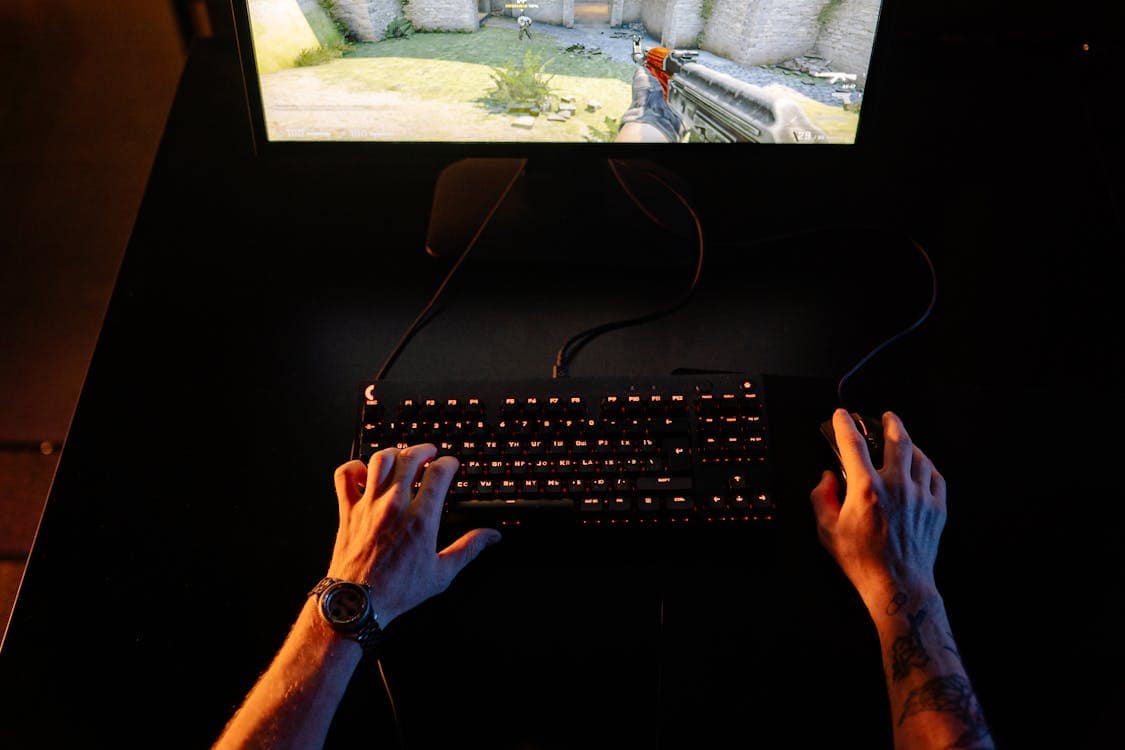
A heavy mouse is partly self-stabilizing. Its mass smooths out small tremors and helps it coast to a stop in a predictable way, which means the surface it sits on can be mediocre without the player noticing much.
Strip that mass away and the surface inherits the job. With almost no inertia damping the motion, the friction of the pad and the glide of the mouse feet become the dominant influence on how the mouse starts, travels, and stops. The pad is now doing the steadying the mouse used to do.
This is why two players with identical ultralight mice can have completely different experiences depending on what is under them. A fast, slick surface lets the light mouse fly but can feel skittish and hard to halt precisely. A higher-friction surface adds the stopping power the mouse no longer provides on its own.
The practical upshot is that choosing the right mouse pad matters more in the ultralight era, not less. The lighter the mouse, the more of the feel is coming from the surface, and the more a poor one will sabotage an expensive piece of hardware.
What to Actually Look For Now
The first thing to reconsider is the assumption that the mouse alone determines how a setup feels. With a modern lightweight mouse, the surface is at least an equal partner, and treating it as an afterthought wastes the precision the mouse is capable of.
Consistency matters more than any single characteristic. A surface that glides the same way across its whole area and behaves identically session after session lets the player build stable muscle memory, which is the entire point of investing in precise gear.
From there it becomes a question of matching the surface to the feel a player wants. Those who want raw speed lean slick, while those who want control and easy stopping lean toward more texture, and the lightness of modern mice makes that choice far more noticeable than it used to be.
The mouse industry will keep chasing fractions of a gram, and the headlines will keep going to the hardware. But the quiet truth of the ultralight era is that the lighter the mouse gets, the more the surface beneath it decides how that mouse actually performs. The pad stopped being a passive mat the day the mouse stopped carrying its own weight.
