

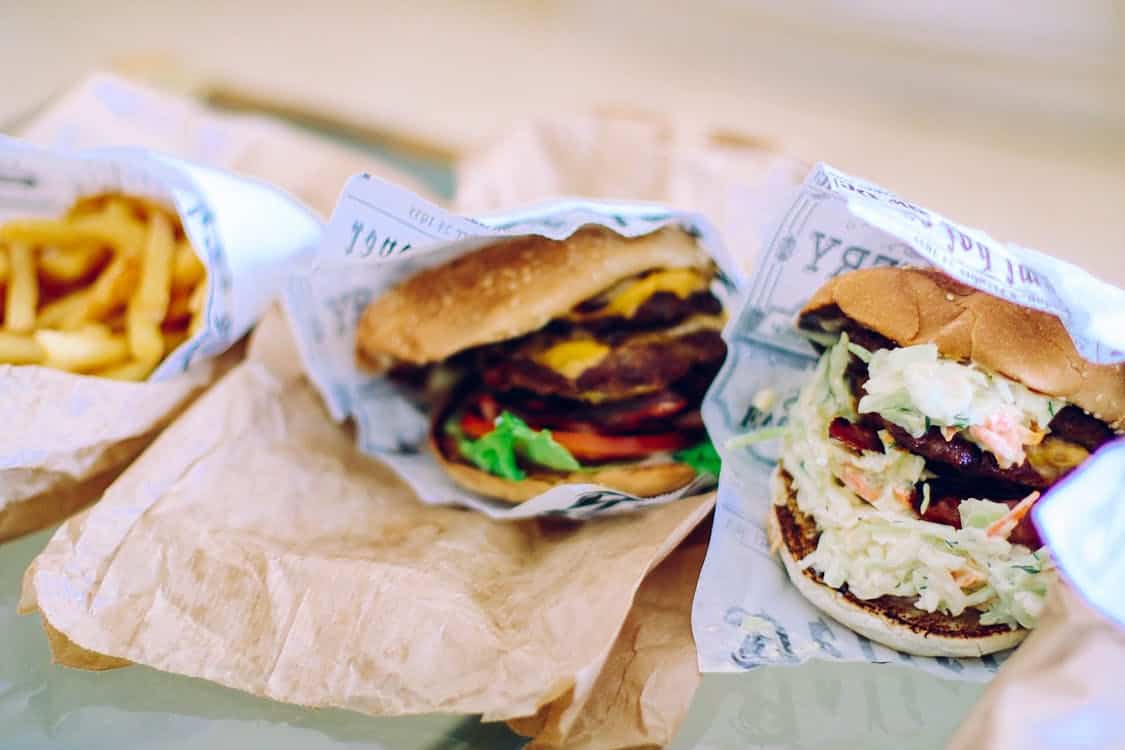
For decades, the grease-resistant coatings that stop a meat pie or a burger from soaking through its wrapper relied on a class of chemicals that has since become one of the most controversial in the world. That era is now ending, and it is reshaping how food businesses choose their packaging.
The shift matters for any business that puts food in contact with paper.
What Changed in 2025
PFAS, the so-called forever chemicals prized for resisting heat, grease and water, have come under intense regulatory pressure globally. In Australia, the government banned the manufacture, import, export and use of three legacy PFAS chemicals from 1 July 2025.
The relevance to food packaging is direct. Grease-resistant wrappers and coatings were a common application for these chemicals, exactly the function that keeps oily food from leaking through paper.
The concern is that PFAS do not break down, persisting in the environment and accumulating in the body, with mounting links to health and environmental harm. Regulators here and overseas are steadily tightening the rules, and a Senate inquiry has kept the issue firmly on the agenda.
For food businesses, this is not a distant policy debate. It is a question about what is touching the food they sell, and whether their packaging meets a standard that is only getting stricter.
The Move to Safer Materials
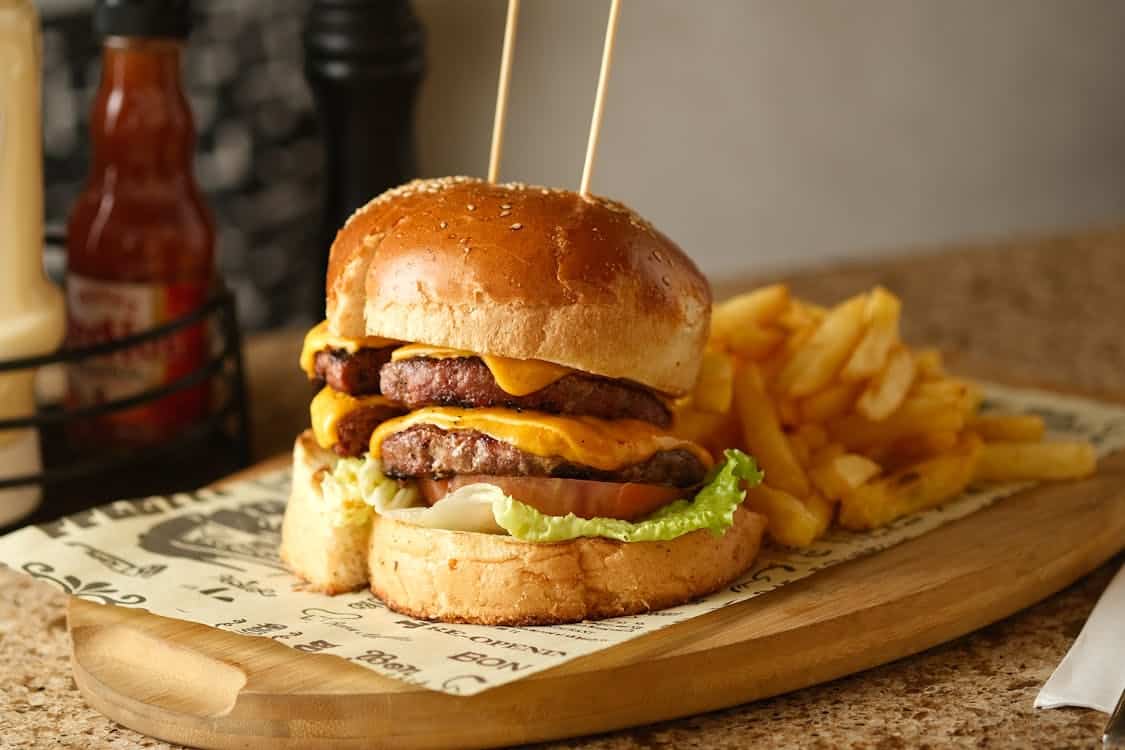
The good news is that effective PFAS-free alternatives exist and are now mainstream. Properly engineered greaseproof papers achieve oil and moisture resistance through the structure of the paper itself rather than problematic chemical coatings.
This is part of why sourcing from a knowledgeable supplier matters more than it used to. A provider like Star Stuff Group that understands food-contact requirements can supply paper that performs without relying on chemistry that is being phased out.
The functional trade-off that once justified PFAS is largely gone. Modern greaseproof papers handle the grease while sidestepping the regulatory and reputational risk that legacy coatings now carry.
Getting Ahead of the Curve
For food businesses, the practical move is to ask suppliers directly about what is in their packaging and whether it is PFAS-free, rather than assuming. Documentation and supplier transparency are becoming part of doing business responsibly.
Designing for the strictest market, rather than the most permissive, is the prudent long-term strategy. Regulations are tightening, not loosening, and packaging chosen today will still be in use as the rules continue to evolve.
There is also a consumer dimension. Diners increasingly care about what their food touches, and being able to say packaging is free of forever chemicals is becoming a genuine point of trust.
The PFAS phase-out is a reminder that packaging is never just packaging when food is involved. The wrapper is part of the product, and the materials that go into it are now under a level of scrutiny that rewards businesses for getting ahead of the change.
