

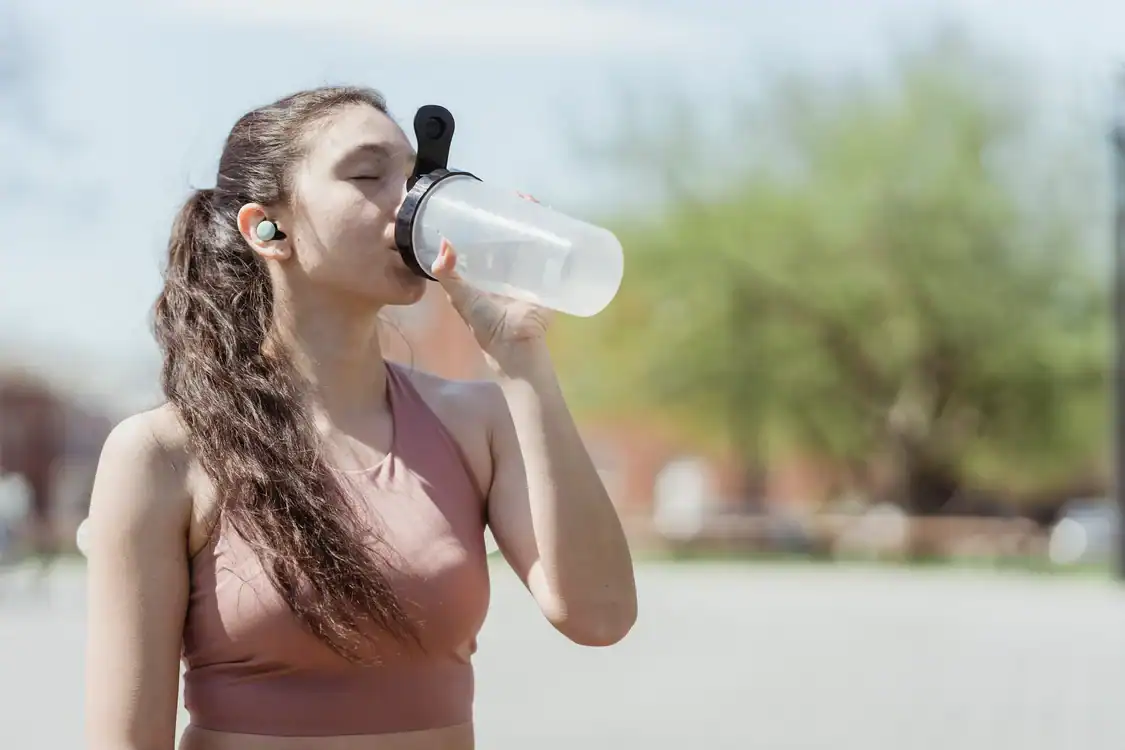
In April 2026, a long-lasting weather pattern blasted hot air across the eastern United States like a furnace. Temperatures soared into the 90s from Georgia to New York. In Washington D.C., forecasters called for highs of 93 degrees. In Philadelphia, 92. AccuWeather senior meteorologist John Feerick described it as “borderline unprecedented as far as the duration of it this time of year.”
For Florida, which never really cools down, the early heat was not a surprise – but the intensity was. How hydration becomes a daily guessing game in Florida is not just a quirk of subtropical living. It is a warning sign that the body’s signals are no longer reliable in an environment that is changing faster than human physiology can adapt.
The Numbers Behind the Crisis
Heat is the number one weather-related killer in the United States, according to the National Weather Service. And Florida leads the nation in heat-related emergency room visits. According to the Centers for Disease Control and Prevention, 119,605 heat-related illness emergency department visits were recorded nationwide in 2023, with 92% occurring during May through September. Florida’s share of that burden is disproportionate.
In 2022, the most recent year for complete state-level data, more than 5,800 Floridians went to hospital emergency rooms for heat-related illness. That was the highest total of any state. Florida recorded 25.2 heat and heat-related illness emergency department visits per 100,000 people – the sixth-highest rate in the country.
The Florida Department of Health defines extreme heat as conditions when high temperatures, coupled with high humidity, overwhelm the body’s natural cooling mechanisms. In Central Florida, humidity often runs above 70%, which disables the primary cooling system – sweat evaporation. A 90-degree day that feels manageable in Phoenix becomes genuinely dangerous in Orlando because the moisture in the air prevents the body from shedding heat.
Dr. Richard Petrik, director of emergency medicine for HCA Florida Ocala Hospital, advises avoiding the sun during peak hours between 10 a.m. and 4 p.m., taking breaks in shade, and checking on vulnerable populations. But for many Floridians, especially outdoor workers, seniors, and tourists, those warnings are easier to give than to follow.
Why Hydration Is a Guessing Game
The human body is approximately 60% water. Adults should aim for about 3.7 liters daily for men and 2.7 liters for women, according to general guidelines. In hot climates, those needs increase significantly. But knowing those numbers and meeting them are different challenges.
For seniors, the problem is biological. The thirst sensation weakens with age. By the time an older adult says “I’m thirsty,” they are often already mildly dehydrated. Many seniors take medications – diuretics for blood pressure, beta blockers for heart conditions, anticholinergics found in sleep aids and antidepressants – that interfere with heat regulation. Roughly half of seniors in Central Florida take at least one prescription that raises heat illness risk. Add Florida’s humidity, and the body’s cooling systems fail quietly.
For outdoor workers, the problem is structural. Construction crews, landscapers, agricultural workers, and delivery drivers face hours of direct sun exposure with limited access to shade or clean water. The early-season heat is particularly dangerous because bodies have not acclimated. “The early-season heat can be more stressful on people’s bodies since they haven’t had a chance to acclimate,” meteorologists warn.
For tourists, the problem is unfamiliarity. Visitors to theme parks and beaches often underestimate the combined effect of heat and humidity. During a July 2025 heat wave, Disney World first responders rushed to 86 heat illness calls over 11 days. Around one in four ended in hospital visits. The youngest patient was a baby under one year old. The oldest was an 81-year-old woman. The most dangerous day saw a heat index of 113 degrees – only the fifth time Orange County had ever recorded that level.
The Warning Signs Most People Miss

Heat exhaustion develops gradually. Excessive sweating, fatigue, muscle weakness, nausea, shallow breathing, and rapid pulse are early symptoms. Heat stroke is the medical emergency – confusion, altered mental status, slurred speech, loss of consciousness, hot dry skin or profuse sweating, seizures, and body temperatures above 106 degrees. Left untreated, heat stroke causes organ damage and death.
Dr. Ariel Mejia, a faculty member at the University of Central Florida’s medical school, explains the progression: heat exhaustion occurs when people become dehydrated over time and feel tired or sick. Retreating to shade and drinking water helps recovery. Heat stroke is when core temperature rises to the point where muscles break down, mental confusion sets in, and organs suffer damage.
University of Florida professor Thomas Clanton published research in 2025 finding that mice suffer from obesity, chronic heart disease, and other long-term health problems for months after heatstroke – the equivalent of years for humans. Most human patients are not tracked long-term after ER visits, so the full consequences of heat illness remain poorly understood.
What Actually Works
The advice is consistent across medical sources, even if following it is not always simple. Drink water regularly, not just when thirsty. Avoid alcohol and caffeinated drinks, which dehydrate. Take repeated breaks from sun exposure. Keep indoor temperatures at or below 78 degrees for older adults. Wear light, loose clothing and hats. Monitor urine color – dark yellow signals dehydration.
For seniors, hydration needs to run on a schedule, not on thirst. A reasonable target is 6 to 8 cups of fluid daily, more on days with outdoor activity. Water-rich foods – watermelon, cucumbers, celery, soups, broths – can increase fluid intake by 20 to 30% without turning hydration into a battle. Caregivers who know a senior’s preferences can adjust meals quietly to boost fluid consumption.
For outdoor workers, employers have a legal and moral obligation to provide access to water, shade, and rest breaks. The Occupational Safety and Health Administration recommends employers establish heat illness prevention programs that include hydration schedules, buddy systems to monitor workers, and emergency response plans. In Florida’s climate, these are not optional perks. They are survival infrastructure.
The Bigger Picture
Florida’s heat problem is not going away. Orange County was under heat advisory 13 times in one recent year, compared to just two times in 2019. July 2025 was the 14th-hottest July on record in 130 years. The coolest temperature on July 28 was 78 degrees – a record warm daily low that meant no overnight relief.
Climate projections suggest Florida will see more frequent and intense heat waves, longer warm seasons, and higher overnight temperatures that prevent recovery. The state’s aging population – Florida has one of the highest median ages in the country – makes the vulnerability demographic as well as meteorological.
For individuals, the message is personal. The people who survive Florida’s heat are not the ones who guess right. They are the ones who stop guessing and start treating water like medicine – scheduled, measured, and non-negotiable.
