

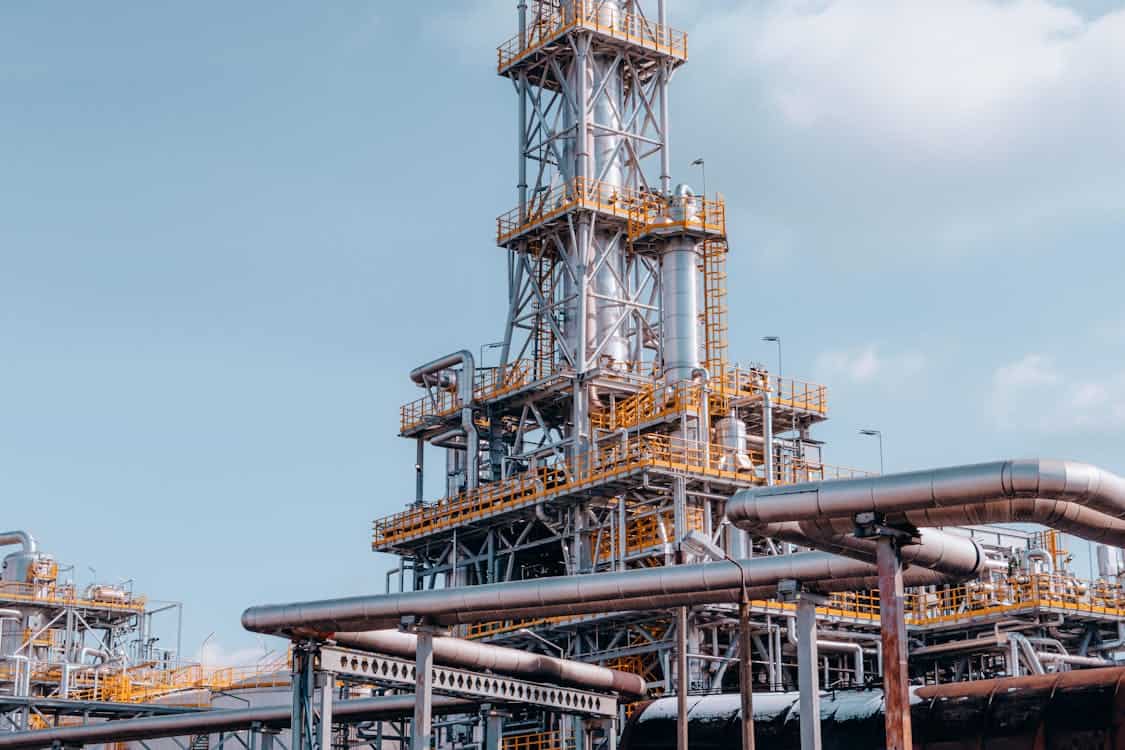
Steel pipe sits at the core of oil and gas work, moving liquids and gas from point A to point B across vast distances and tight spaces. Operators pick steel pipe for its predictable behavior when loads rise, temperatures change and the ground shifts underfoot.
The metal gives a balance of strength and ductility that engineers can calculate and then trust in real life.
Material Strength And Load Bearing
Steel pipe delivers high tensile strength and reliable yield numbers that engineers write into stress models and field plans. When a pipeline carries heavy loads or spans unstable ground, the way the metal bends or stretches is known and repeatable.
Different grades of steel offer a range of mechanical traits so teams can match the pipe to pressure, bending and impact demands at the site. That predictability reduces surprises and keeps projects moving along the schedule.
Corrosion Resistance And Protective Finishes
Steel comes in forms and alloys that resist attack by water, salt and common hydrocarbons, and mills apply interior coatings to lower corrosion rates. External coatings and sacrificial protection methods extend service life in wet or salty soils where moisture and chemicals work overtime.
Operators can also choose corrosion allowance in wall thickness when service is harsh, which is a simple way to buy years of trouble free performance. The result is fewer emergency repairs and less downtime for cleaning or replacement.
Pressure Handling And Temperature Tolerance
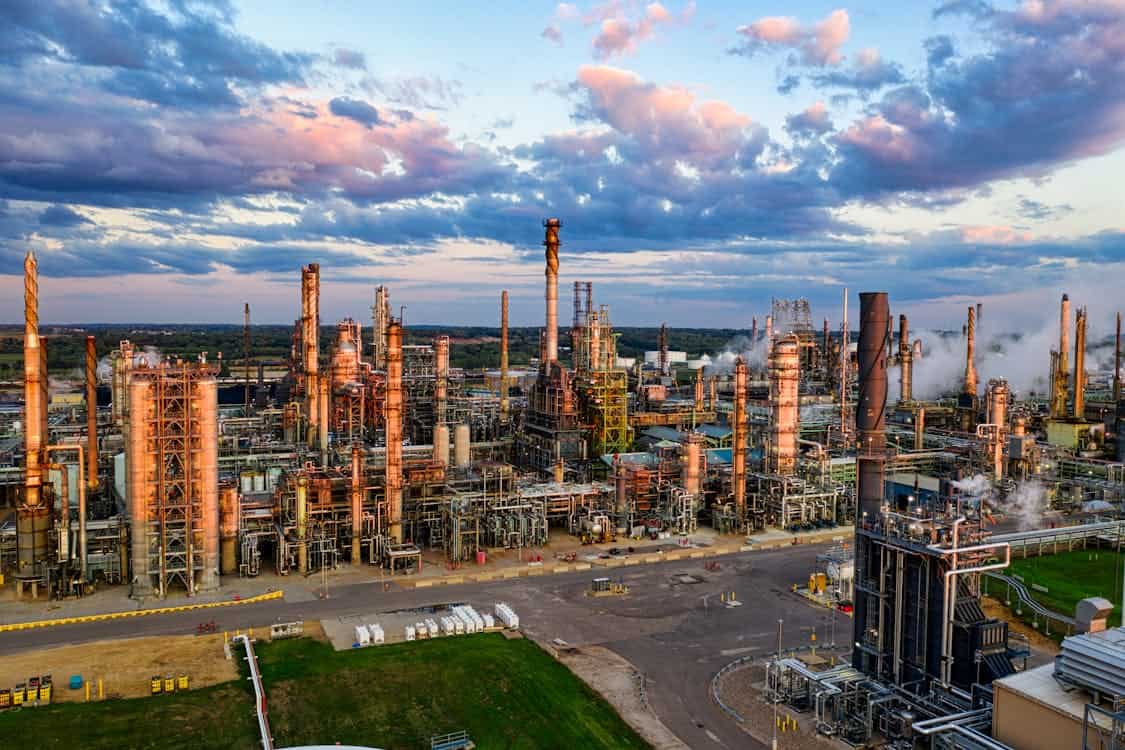
Pipes made from familiar steel grades handle the high pressures found in transmission networks and the swings in temperature that often follow production cycles. Wall thickness, diameter and grade combine to set a safe working pressure for a given run, and codes provide formulas that engineers use with ease.
In hot or cold climates the material properties shift but do so in predictable directions that allow teams to plan for safety margins. That capacity to take stress without sudden failure keeps people and assets safer on a daily basis.
Welding And Joining Ease
Steel pipe is comparatively easy to join on site using methods that are proven and repeatable, from field welding to mechanical couplings for temporary work. Weld procedures and fittings are standardized so crews can train once and apply skills at many locations with consistent quality.
Post weld inspection techniques let teams verify the join before pressure testing, which keeps the unknowns out of the field. That practical joinability is a big part of why pipelines get built quickly and repaired without long delays.
Standardization And Quality Control
Most steel pipe conforms to well known codes and mill tests that list chemical makeup, strengths and processing history, so buyers know what they are getting. Traceable documentation and batch records reduce ambiguity and help match replacement pipe to existing runs without pulling teeth.
Quality systems at mills enforce steady dimensions and straightness so welders and machine crews have fewer surprises when installing or connecting pipe. That level of standardization supports planning and cuts down on site rework that can stall a project.
Longevity And Life Cycle Cost
A pipe that outlasts alternatives can show real savings over decades when maintenance, inspection and replacement costs are tallied. Steel pipe often offers a better price per unit of service life when all costs are run through a spreadsheet that includes outage risk and repair logistics.
Materials that fail early force emergency mobilization and expedited shipping, which hit budgets hard and leave operations in a pinch. Steel’s combination of wear tolerance and predictable aging makes it easier to budget for the long haul.
Inspection Testing And Traceability
Steel pipe can be inspected with a suite of non destructive tests that reveal flaws before they matter, from magnetic particle scans to radiography and ultrasonic checks. Hydrostatic testing and pressure cycles stress the assembly so faults show up when they are still manageable.
Mill certificates and heat numbers link material back to the furnace so any batch issue can be traced and isolated without guesswork. That traceable record and testing culture reduce the chance of hidden defects creating incidents in the field.
Supply Availability And Fabrication Flexibility
Global steel making means a wide range of sizes and grades are in production at scale, which helps buyers find parts quickly when demand spikes. Fabricators can cut, bevel and thread pipe into fittings, spools and assemblies that are ready for rapid installation at site, which keeps turnarounds short.
Local yards often stock common sizes so crews do not wait weeks for a single piece that holds up a whole job. This ready availability pairs with simple fabrication to keep schedules tight when windows for work are short.
Safety And Environmental Performance
A system that holds pressure, that resists corrosion and that can be inspected with confidence reduces the chance of leaks that harm people or the environment. Steel pipe can be routed, pigged and monitored to detect and clear buildup that might otherwise lead to loss of containment.
When incidents occur the metal’s failure modes are well known, which helps teams design barriers and emergency response plans that work in practice. The safer a line is to run and to check, the fewer surprises will pop up on a busy morning at the field.
