

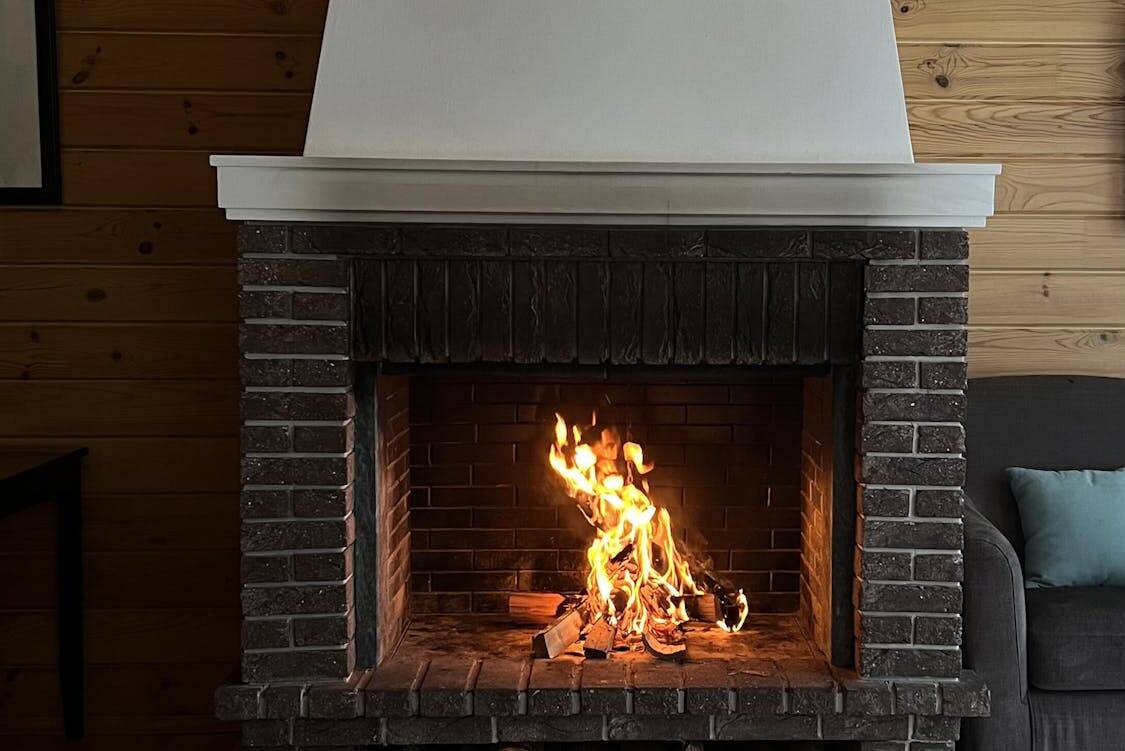
A fireplace brings warmth and a sense of comfort to a home while also demanding regular care to keep smoke out and the structure sound.
The right cleaning rhythm depends on what you burn how often you use the hearth and what signs the system gives you. Experts offer straightforward timing and telltale warnings that help you act before a small problem turns into a big one.
When To Clean After Each Use
After each fire let the embers cool fully and then scoop out excess ash until a thin layer remains for insulation if you like a slow burn next time. Remove hot tools and check the grate for bent bars or trapped coals that could block airflow or cause uneven burning.
Sweep the hearth and vacuum what you can only when all material is cold to avoid sparks in the canister. A quick tidy now saves time later and keeps drafts working the way they should.
Seasonal Cleaning Schedule
Most specialists advise a full sweep and inspection at least once a year with an extra pass when use has been heavy. For residents in the area, scheduling fireplace cleaning st louis professionals in the fall ensures your chimney is ready for the winter rush.
Do the big clean before the cold season arrives so draft and venting are ready for nonstop use and you avoid surprises on the first chilly night.
If you live where winters are long or you burn long logs nightly plan for two professional checks each season. Even a casual user benefits from a pre season inspection so small cracks or blockages do not grow.
Cleaning After Burning Different Fuels
Burning dry well seasoned wood leaves less goo than wet wood but still forms creosote that collects inside the flue and on the flue tile. Gas appliances produce soot and carbon buildup in different places and usually need less ash removal yet require checks on seals and pilot assembly.
Pellet stoves create fine ash that collects in the burn pot and hopper so empty those chambers more often and follow maker instructions. Each fuel has its quirks so adapt timing to what you use most and the way smoke behaves in your room.
Chimney Sweep Frequency For Safety
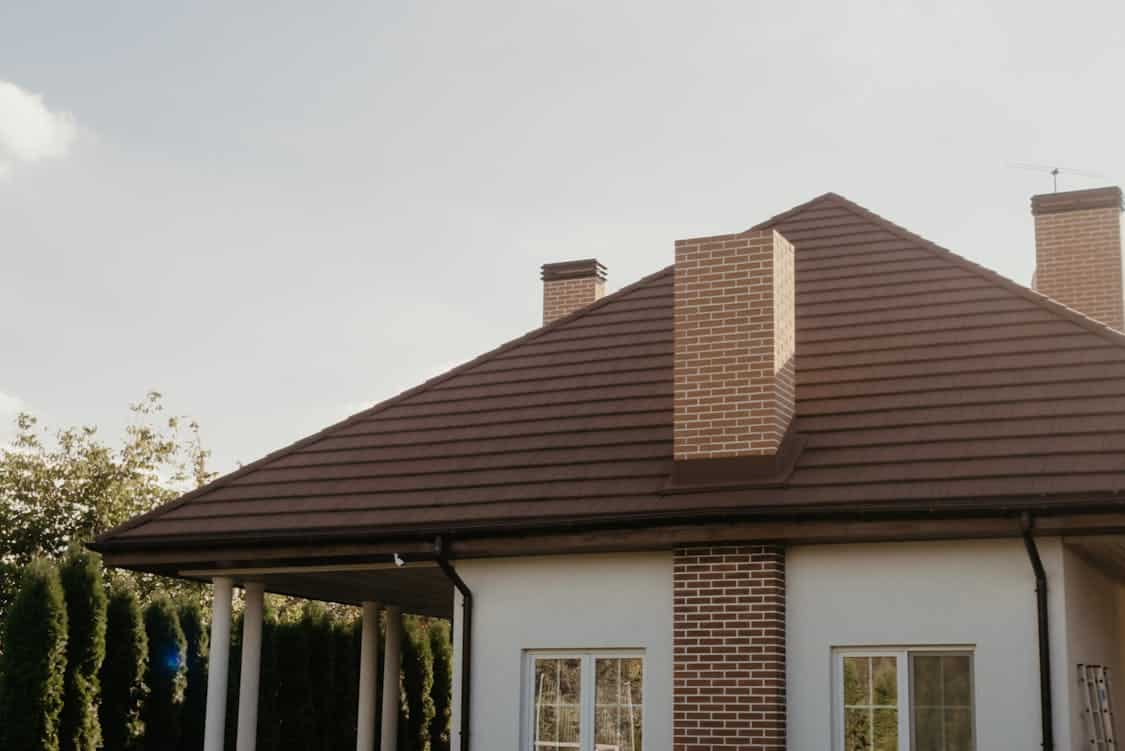
A common rule of thumb is to sweep the chimney once a year for moderate use and twice a year for heavy use so that creosote and debris never build into a hazard. If you burn only occasionally one sweep can suffice but add another if you go through a period of daily fires for weeks at a stretch.
Animals and leaves can find the flue and make nests that block smoke so seasonal checks are wise no matter the level of use. Ignoring the flue is like leaving a garden untended where weeds have time to run wild.
Signs Your Fireplace Needs Immediate Attention
A strong smoky smell inside even when the fire is small is a red flag that draft is not working and the flue may be blocked or damaged. Thick flaky black buildup on the walls of the chimney shows advanced creosote that can ignite with high heat and should be removed without delay.
Soot falling back into the room or a sudden change in how the fire behaves are signals to pause use and get an inspection. If you spot cracks in masonry or warped metal liners stop using the fireplace until a qualified person has had a look.
Cleaning The Firebox And Grate
Start with the simplest chores which include removing all cold ash and sweeping the firebox walls with a stiff brush to loosen soot that can be bagged and tossed away. Lift out the grate and shake off debris or scrub it with a wire brush if heavy build up has accumulated where flames meet metal.
Use a shop vacuum suited for ash only and never run a household vacuum on this material since fine particles can damage filters or start a fire. A clean firebox gives better air flow and makes for more efficient burning.
How Creosote Affects Cleaning Timing
Creosote forms when wood smoke cools and condenses on the chimney interior and the amount depends on the moisture in the fuel and the temperature of the flue. Thick black tarry layers are most dangerous because they can ignite and turn a quiet draft into a fast moving blaze inside the chimney.
When you see these deposits plan for immediate removal and then change habits that create them such as burning green wood or low temperature burns. It is no fun to play with fire and letting creosote hide in the flue is a shortcut to trouble.
Professional Sweep Versus DIY Cleaning
A professional sweep brings tools eyes and experience that find hard to spot problems like thin hairline cracks chimney cap issues or missing mortar at the crown. Doing a light clean yourself can handle ash and loose soot but it leaves unseen creosote or hidden damage unchecked and you may miss a small problem that grows.
Bring in a pro for inspections scheduled annually or when signs are present and use your own work to keep the visual parts neat between visits. Safety first tends to be a good rule when the roof and smoke are involved.
Preparing For The Winter And Summer Months
Before the heating season blockages must be cleared the damper checked and any loose bricks or mortar repaired to prevent cold drafts and water intrusion. Once the season winds down remove soot that gathers in the smoke shelf and check the chimney cap and flashing for signs of rust or gaps that let critters move in.
Close or lock dampers that seal tight against moisture while leaving room around the firebox for dry storage of tools and small parts. A little seasonal care keeps the whole system ready when you need it and avoids costly emergency fixes.
