

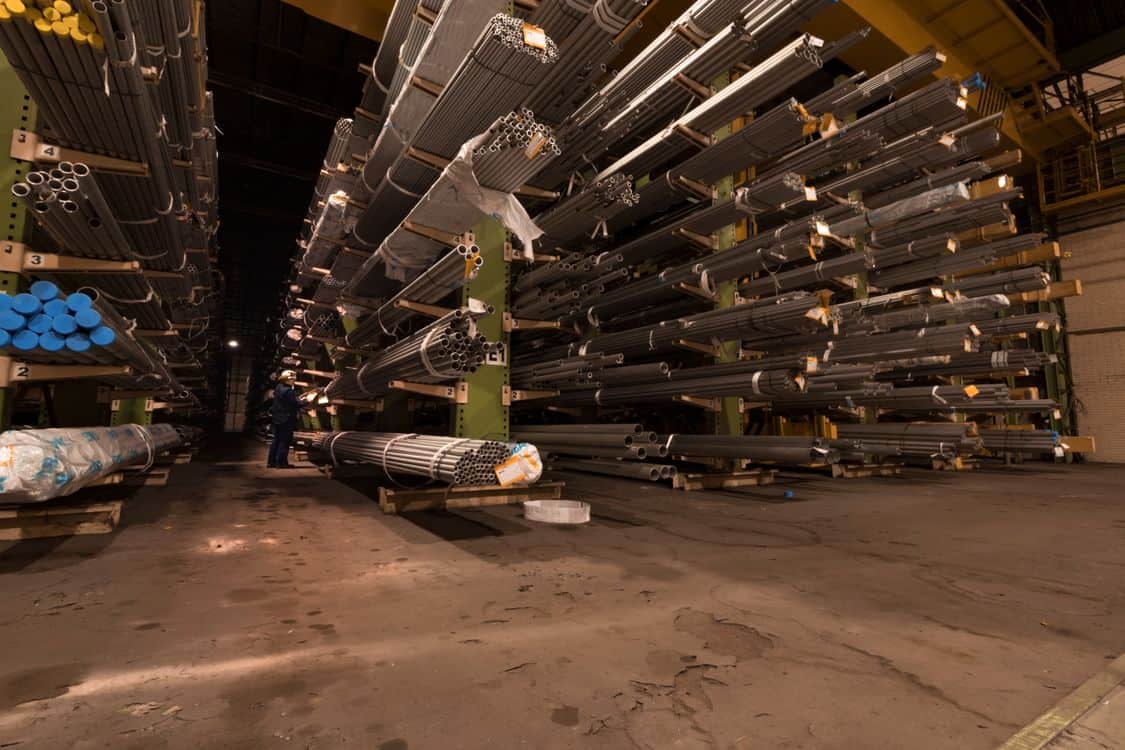
A September 2026 casing award in Indonesia offers a useful look at how quickly an OCTG purchase becomes more than a request for pipe. Sunindo Pratama secured a Pertamina EP tender for 13 3/8-inch low-grade casing valued at approximately Rp56.4 billion, or $3.19 million. The contract runs for six months and 50 days, giving the supplier a defined window in which to source, document and deliver the material.
The award was Sunindo’s third Pertamina tender of 2026, and the company said the required casing would be imported. Those details put procurement discipline in the foreground. The published notice identifies a 13 3/8-inch casing order, but a workable API 5CT purchase must go much further.
The specification begins with the well
API 5CT provides the framework for casing and tubing, yet the standard alone does not choose the right product. The purchase order still needs the grade, weight, outside diameter, wall thickness, length range and end finish. It must also identify the connection, coupling requirements and any supplemental testing needed for the intended well conditions.
That distinction matters because “API 5CT casing” describes a broad family of products. A shallow, low-pressure string and a deeper high-load string can share the same standard while requiring very different mechanical properties. Collapse, burst, tension, temperature, corrosion exposure and running practices all affect the final selection.
Imports raise the value of traceability
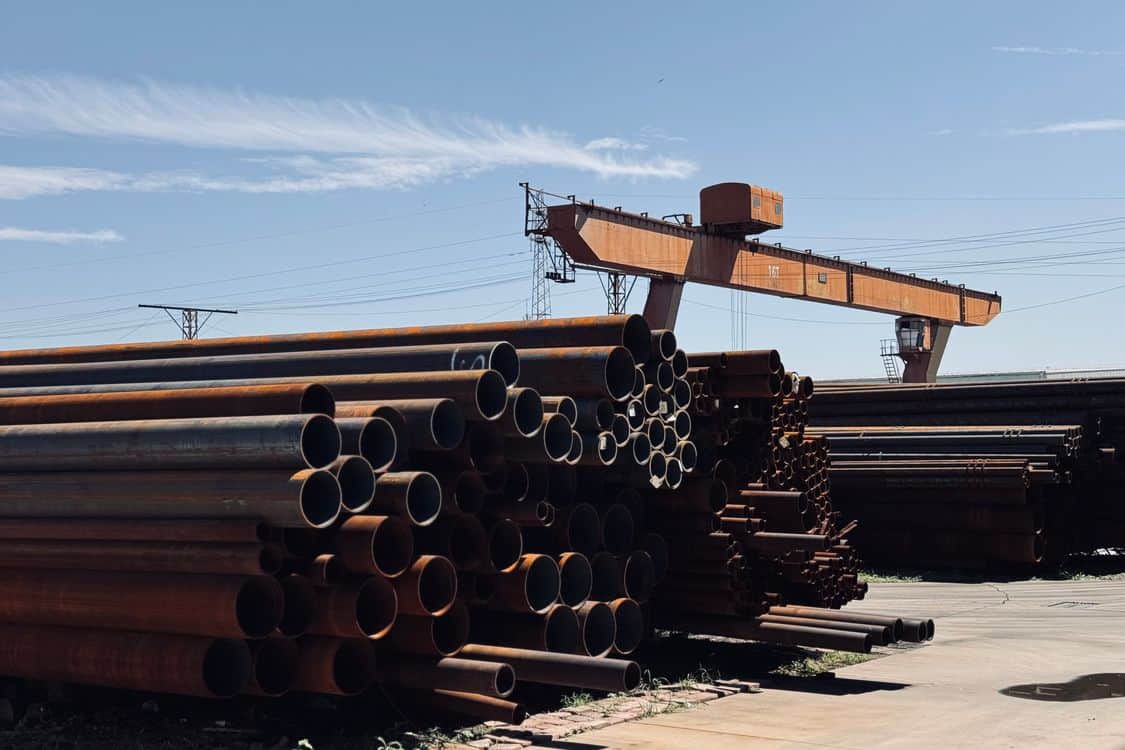
When pipe crosses borders, documentation errors can consume the schedule saved by an attractive mill price. Buyers should align the purchase order, mill test certificates, markings, packing list and inspection release before shipment. Heat numbers and product markings need to remain traceable through coating, threading, coupling and transport.
The Indonesian award is newsworthy because it joins commercial scale, a fixed delivery period and import dependence in one contract. It also illustrates a broader lesson: compliance should be written into the order in verifiable terms. The clearer the grade, connection, testing and documentation requirements are at the start, the less room there is for costly interpretation at delivery.
Connection details deserve particular attention. The order should state whether the casing uses API round thread, buttress thread or a qualified proprietary connection, along with the coupling grade, make-up requirements and any thread protection. A mismatch can stop a casing run even when the pipe body itself is fully compliant.
Length distribution can also affect field execution. Range requirements, permitted variation and tally information influence handling and the number of connections in the string. If a project needs drift testing, special end preparation or running compounds with defined properties, those requirements should appear in the purchase documents instead of being left to local practice.
Acceptance should be planned before shipment
A practical inspection and test plan identifies witness points, document-review stages and acceptance criteria. It should cover the tests required by the selected product specification level and any additional checks imposed by the operator. The plan also needs a process for concessions so that a deviation is evaluated by the right engineering authority rather than informally accepted.
Marking and preservation are easy to overlook on a long import route. Thread protectors, corrosion protection, bundling and lifting arrangements must survive ports, storage yards and inland transport. Receiving teams should have a checklist that reconciles quantities, dimensions, heat numbers and visible condition before material is released to the rig.
The commercial schedule should leave time for these controls. A six-month delivery period can narrow quickly once steelmaking, rolling, heat treatment, threading, inspection, export documentation and ocean freight are considered. Mapping those stages against contract milestones helps the buyer distinguish a credible plan from a promised delivery date unsupported by production detail.
For a tender of this scale, that visibility should continue after award. Periodic production reports can track raw-material availability, completed quantities, inspection status and shipping readiness. Early notice of a delay gives the operator more options than a late explanation after the promised dispatch date has passed.
