

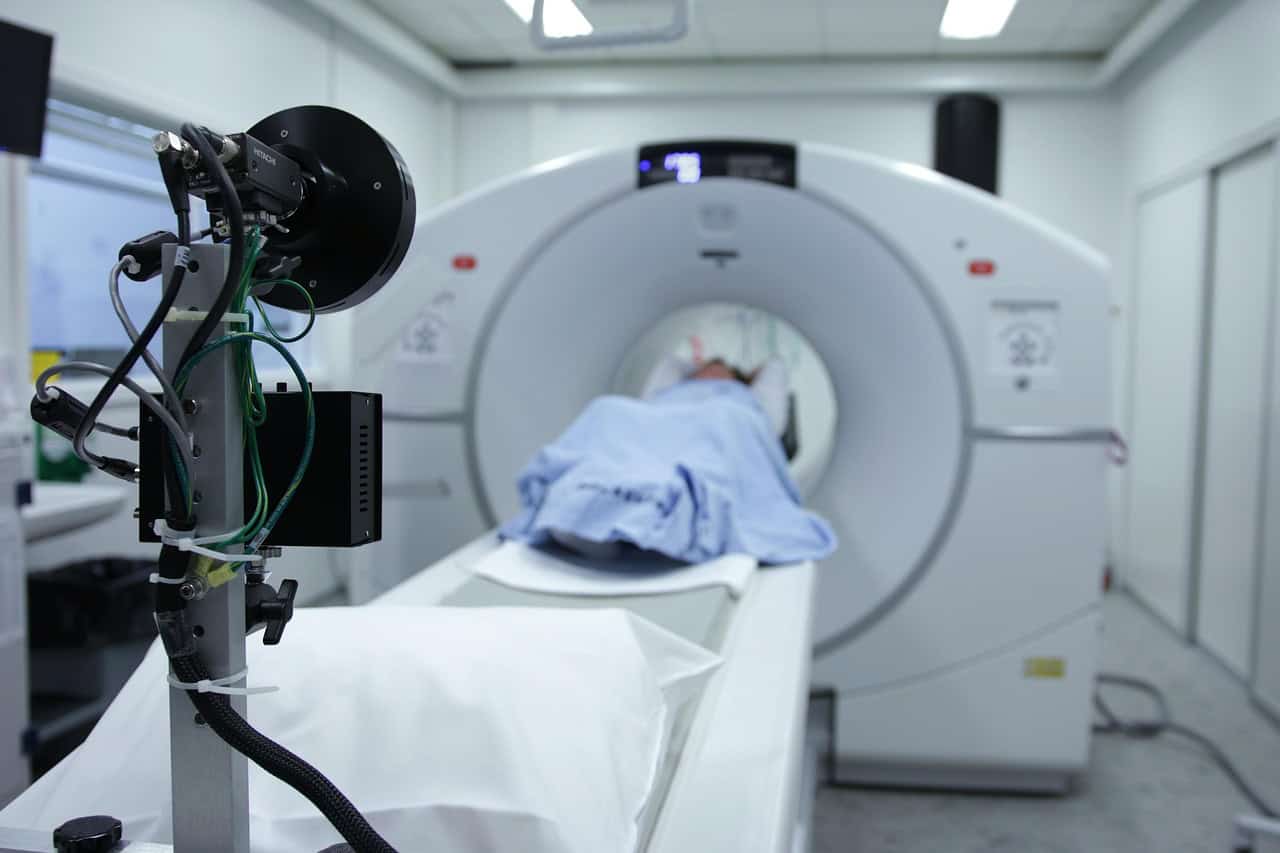
Artificial intelligence based automation tools have begun to change how images are captured, processed and interpreted across many fields. They help speed routine tasks and free human experts to focus on edge cases and judgment calls that matter most.
By combining pattern aware models with classic signal processing the systems find subtle regularities in data and then act on them. The result is faster throughput, fewer repeat scans and clearer images that tell a richer story.
Imaging Acquisition And Reconstruction
Modern scanners can adapt acquisition settings in real time with the help of AI driven automation that monitors signal levels and scene content. The scanner adjusts sampling patterns and exposure to bring out features that would be faint under static protocols, and that adaptation cuts scan times without losing detail.
Reconstruction algorithms then stitch sampled data into full images while suppressing aliasing and other artifacts to produce clearer results. Engineers call this closed loop imaging because sensing, analysis and control occur in a tight cycle rather than as separated chores.
Noise Reduction And Image Enhancement
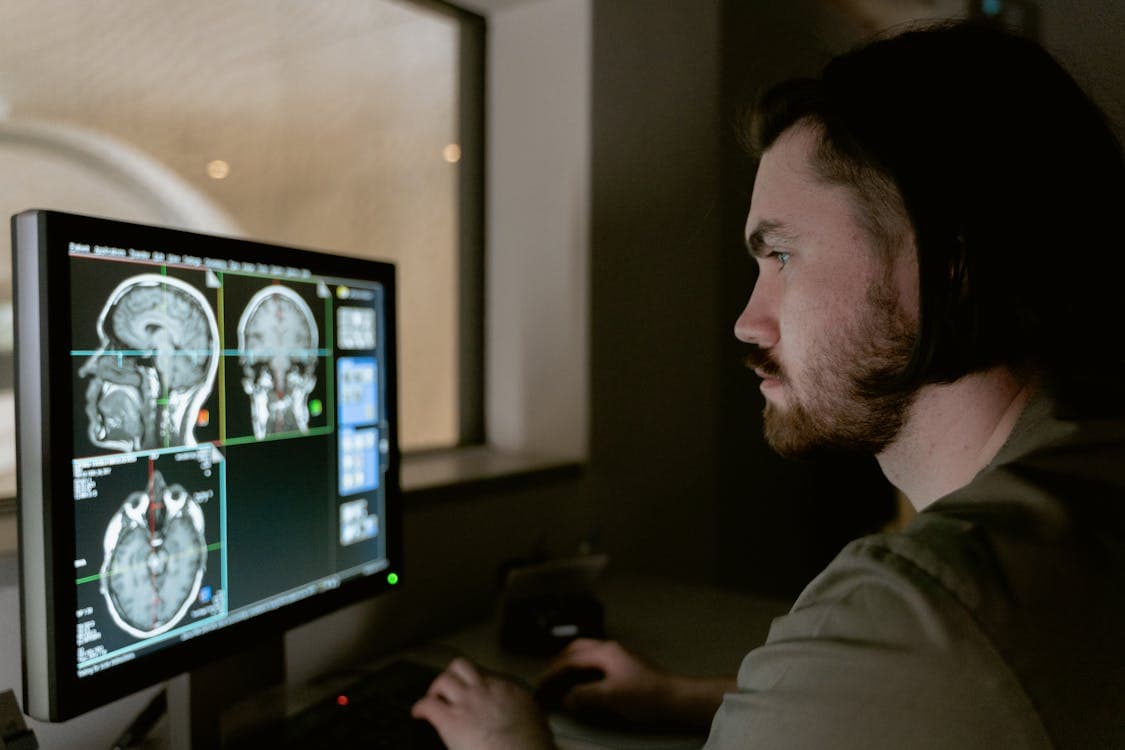
Deep models trained on many examples learn to separate noise from signal in a way that classical filters cannot match. Solutions refined through years of radiology workflow experience often perform more reliably because they account for common imaging conditions and equipment behavior.
These models predict the likely underlying structure and restore missing detail while avoiding the smearing that ruins diagnostic value.
The system can denoise, sharpen and adjust contrast in a coordinated way so that features pop out for human readers or downstream algorithms. That makes it easier to find the needle in a haystack when subtle lesions are hiding in grainy data.
Automated Segmentation And Labeling
Segmentation models turn raw pixels into regions that represent organs, lesions or objects of interest in an automated pass. Labeling then attaches semantic meaning to those regions so reports can reference clear findings rather than vague descriptions.
That automation reduces tedium and speeds the workflow while keeping a human in the loop for confirmation of uncertain cases. Repeated exposure to varied examples helps models generalize, and the system can flag what it cannot decide with high confidence.
Workflow Automation For Clinicians
AI based tools automate repetitive tasks like report drafting, measurement extraction and image triage so clinicians spend more time on interpretation and patient care. Templates and smart suggestions reduce typing and cut clerical error, which in turn shortens turnaround times for patients and teams.
Integrated task queues and priority flags route urgent studies up the chain so life critical conditions get attention fast. The net effect is smoother clinic flow and fewer bottlenecks that used to pile up on busy days.
Real Time Monitoring And Feedback
During procedures AI systems can monitor the image stream and provide instant feedback about positioning, motion and image quality. That feedback can warn an operator to adjust angle or to pause for patient motion correction so the next frame will be usable.
The immediate loop lowers the chance of repeat exams and reduces wasted contrast or radiation exposure when applied in modalities that use those resources. Operators often describe the help as having a second set of eyes that never blinks.
Quality Control And Standardization
Automated quality checks scan images for common faults and check that acquisition parameters match protocol expectations before data enters the archive. This reduces variability between technicians and facilities so follow up comparisons between scans are more meaningful.
Quality metrics are logged and trended so teams can spot drift in equipment or technique and take corrective steps early. Standardized output also helps when teaching models that rely on consistent labels and predictable formats.
Data Management And Compression
AI models learn compact representations of image content that allow smarter compression and faster transfer without destroying diagnostically relevant detail. Instead of raw compression, content aware schemes preserve edges and textures that matter while trimming redundant background information.
Efficient storage and bandwidth use lower operating costs and make remote review more practical, which is useful when specialists are distributed across sites. Smart caching and prefetching mean the right images appear fast when clinicians request them.
Predictive Maintenance For Imaging Hardware
Sensors and logs from imaging machines feed predictive models that spot early signs of wear or miscalibration before an outage occurs. The models detect drifting baselines, subtle vibrational patterns and thermal anomalies and then alert service teams to take action.
Planned maintenance windows replace emergency downtime that used to disrupt schedules and frustrate patients. When equipment runs reliably, workflow stays steady and staff can plan their days with fewer surprises.
Privacy Safety And Regulatory Concerns
Automation tools that handle patient images must respect privacy and comply with rules that protect identifiable information and guided use. Techniques like on device processing and selective anonymization keep sensitive elements local while moving derived data where it needs to go.
Audits and traceable logs add accountability so teams can show how a decision was made and who reviewed it. Careful governance helps technology be useful while honoring ethical obligations.
Human Machine Collaboration In Imaging
AI systems do not replace expert judgment but rather augment it by surfacing likely findings, quantifying change and organizing cases that need attention. Clinicians review automated outputs, correct labels and provide feedback that further trains and sharpens the models over time.
That loop of human correction and model update mimics how an apprentice learns from a mentor, with the mentor adjusting guidance as the learner gains skill. Trust grows when the system proves reliable and when operators keep control of final decisions.
